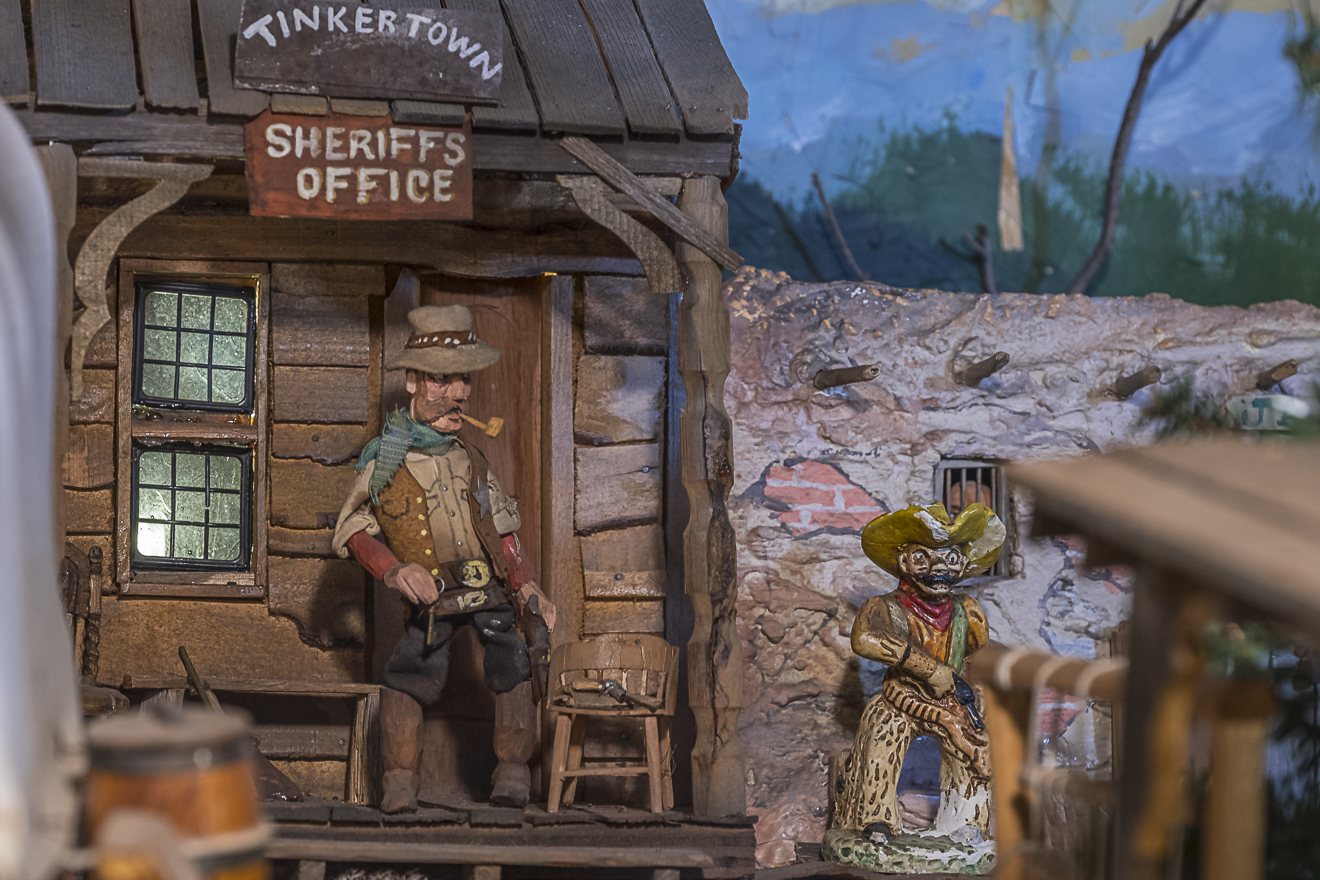
“I did all this while you were watching TV.”
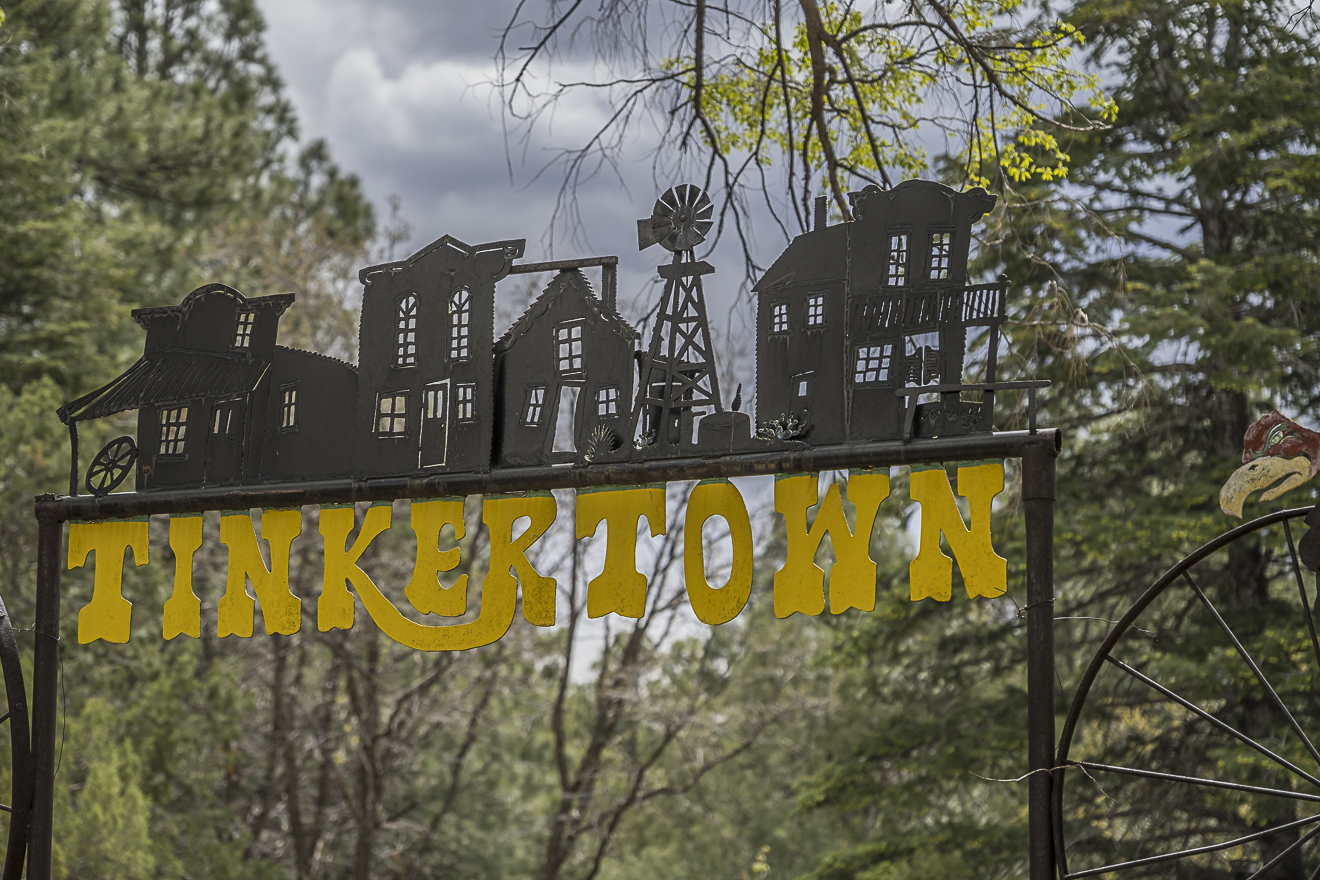
At Tinkertown Museum, that sentence is not a boast. It is written on one of the signs. It feels more like a quiet truth, patiently proven over decades. Walking through its narrow passages is like stepping inside the imagination of Ross Ward, a man who chose creation over distraction, one small piece at a time.
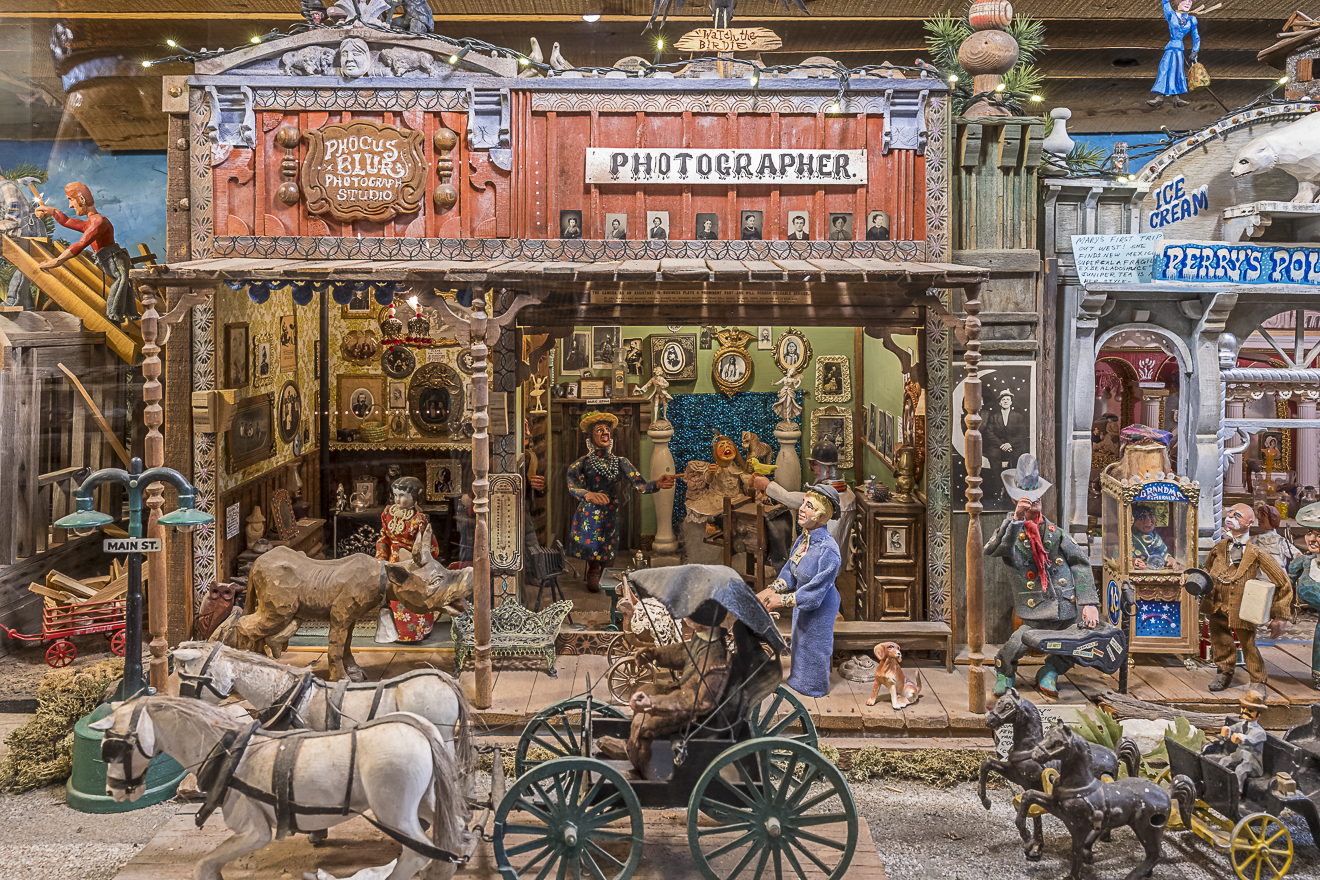
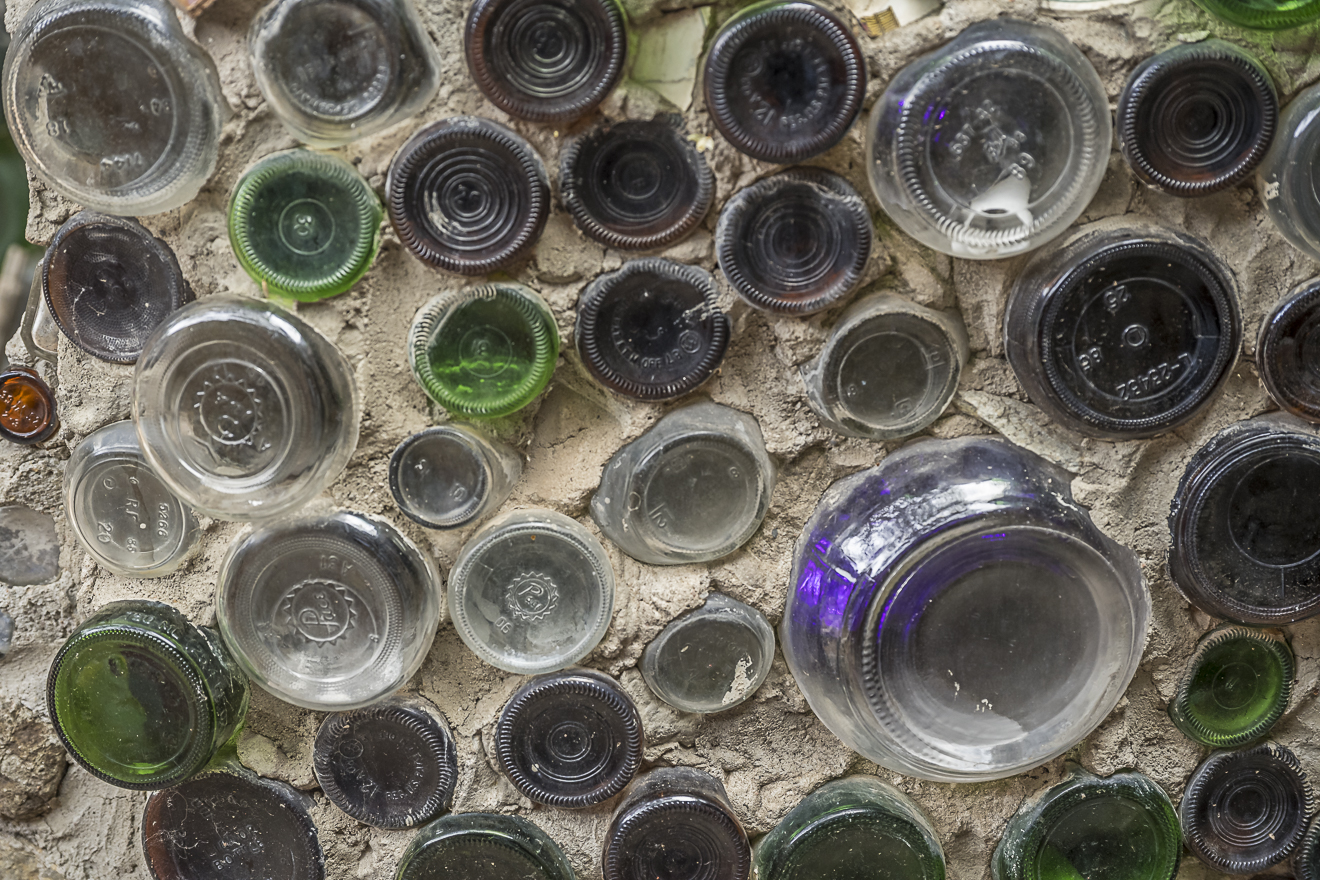
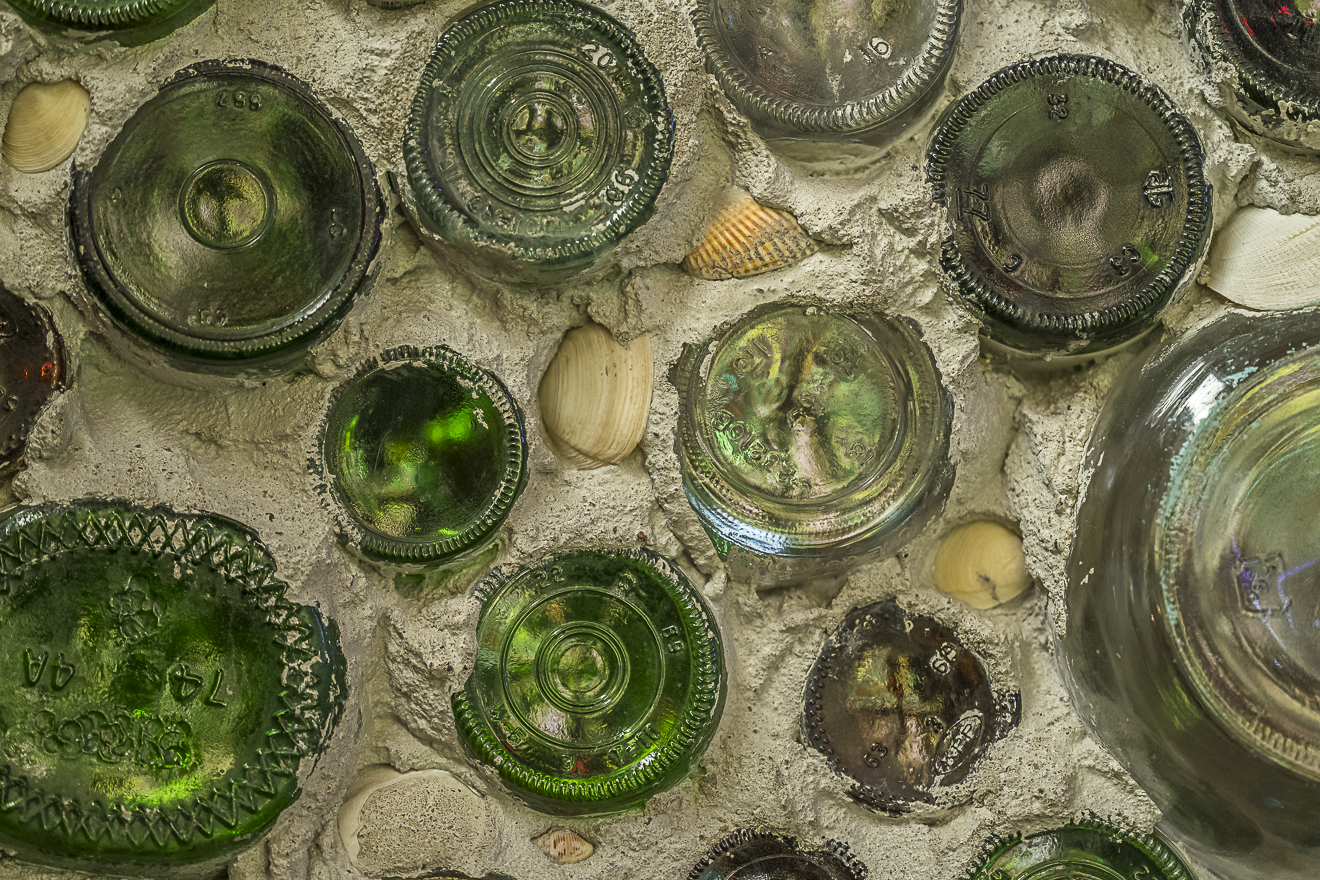
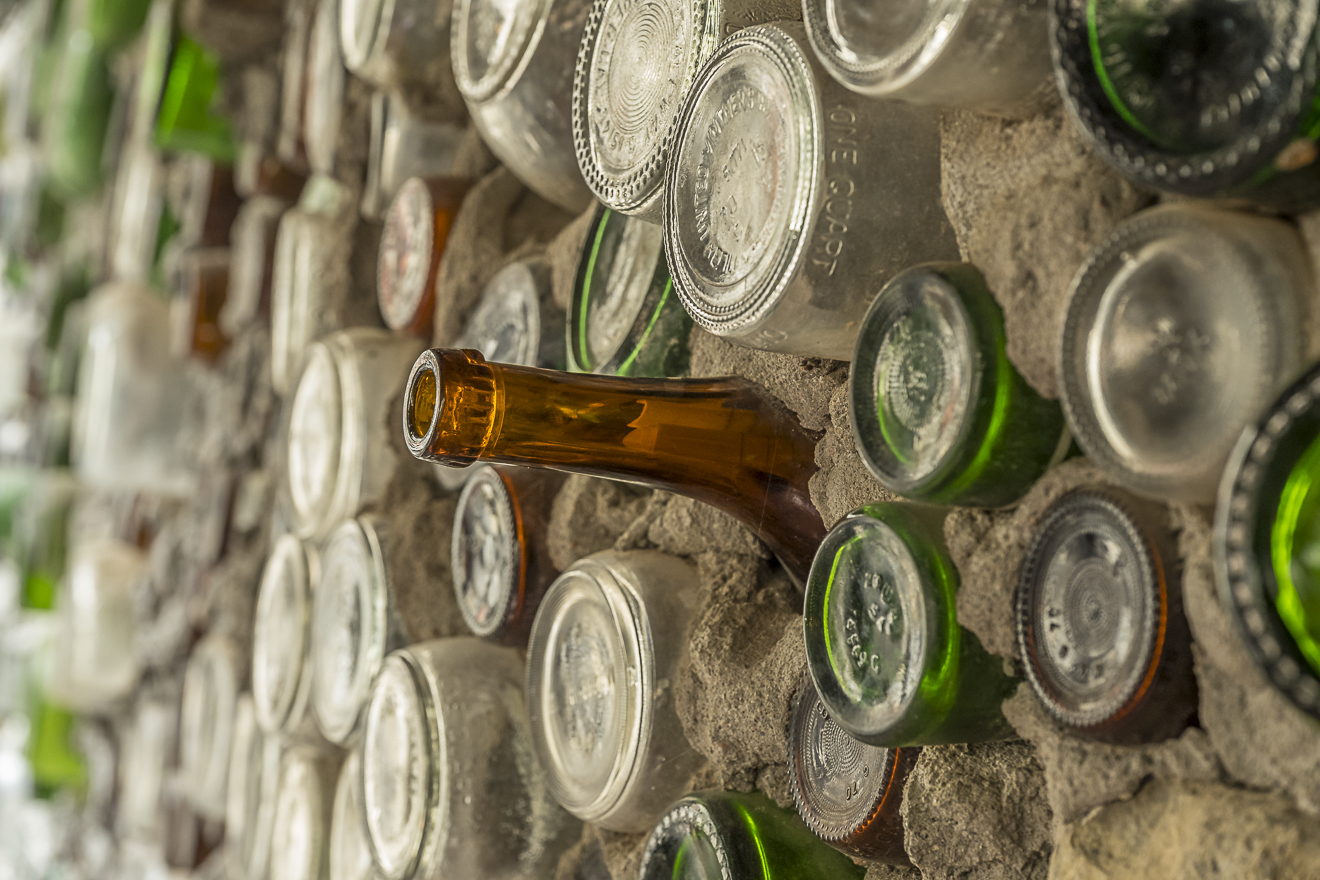
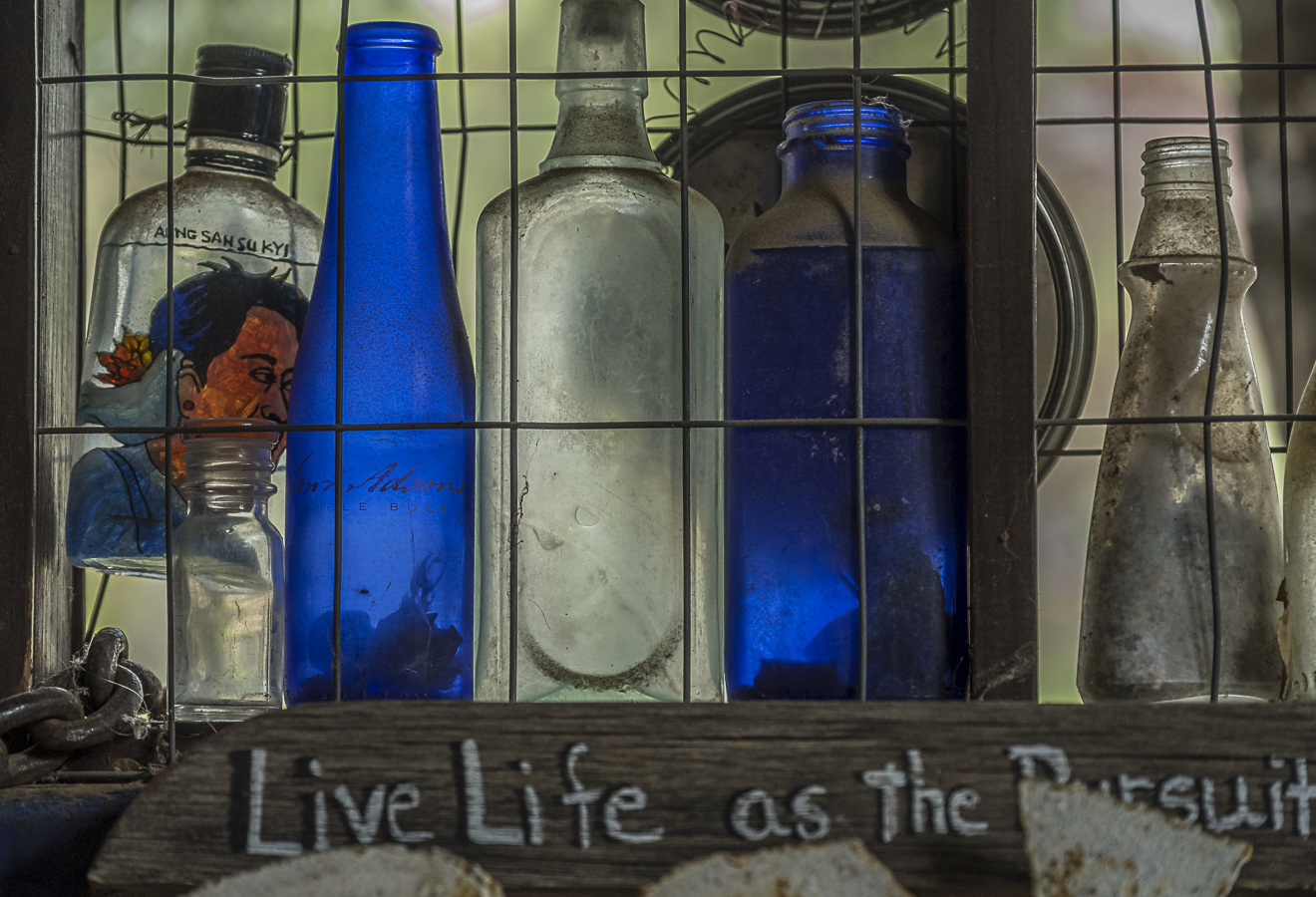
For over forty years, Ward carved, assembled, painted, and persisted. What he left behind is not simply a museum, but a life made visible. Twenty-two rooms unfold in a kind of joyful density. The walls themselves shimmer, built from more than 55,000 bottles set in concrete, catching the New Mexico light like improvised stained glass. Nothing feels rushed. Everything feels earned.
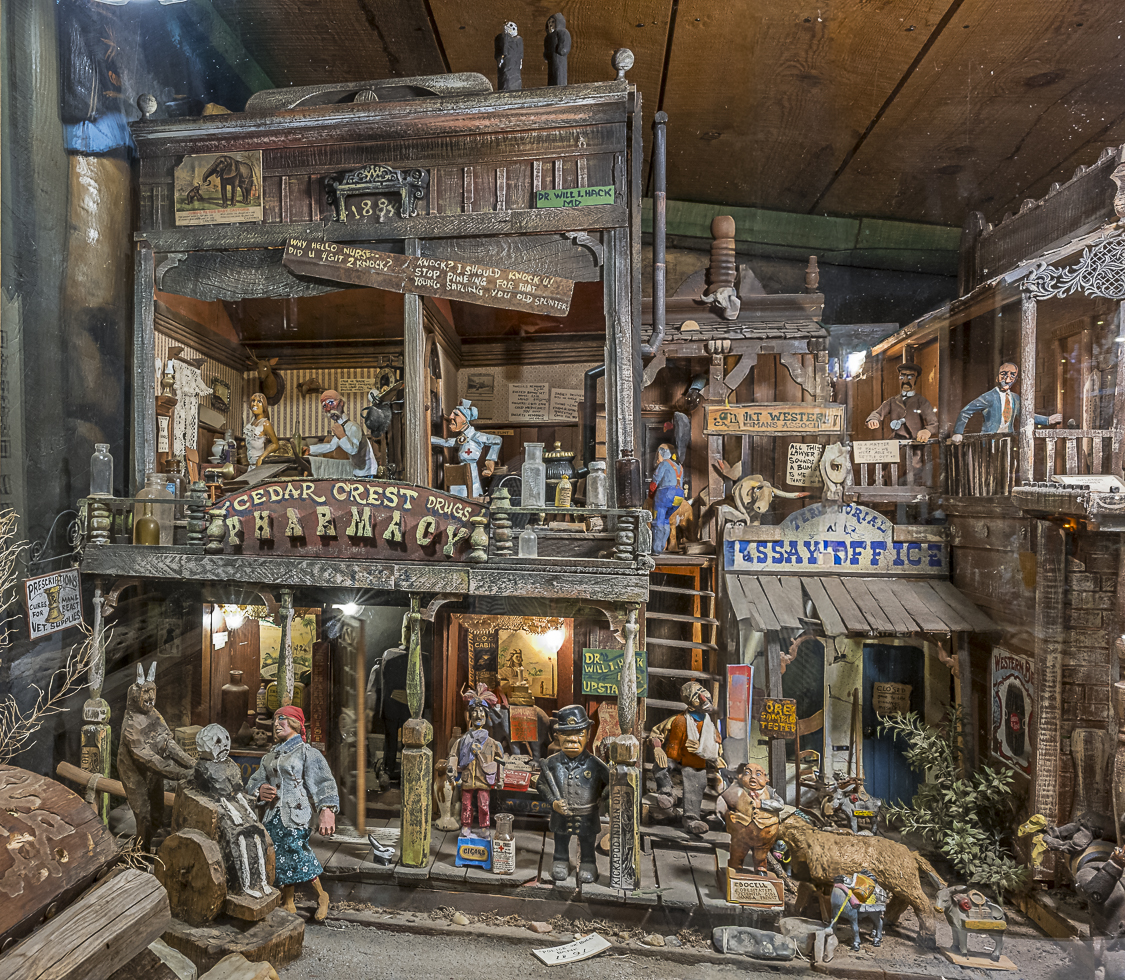
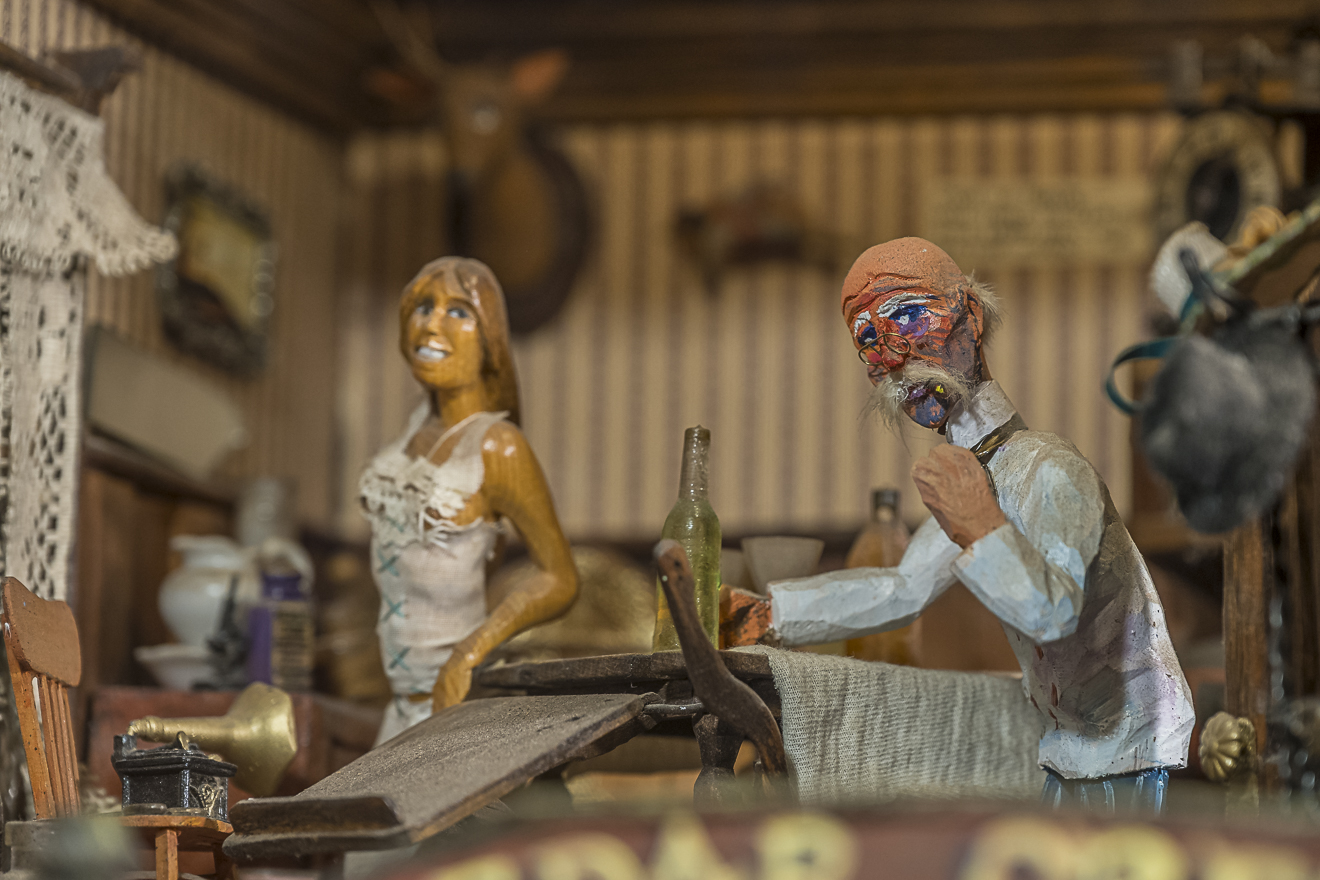
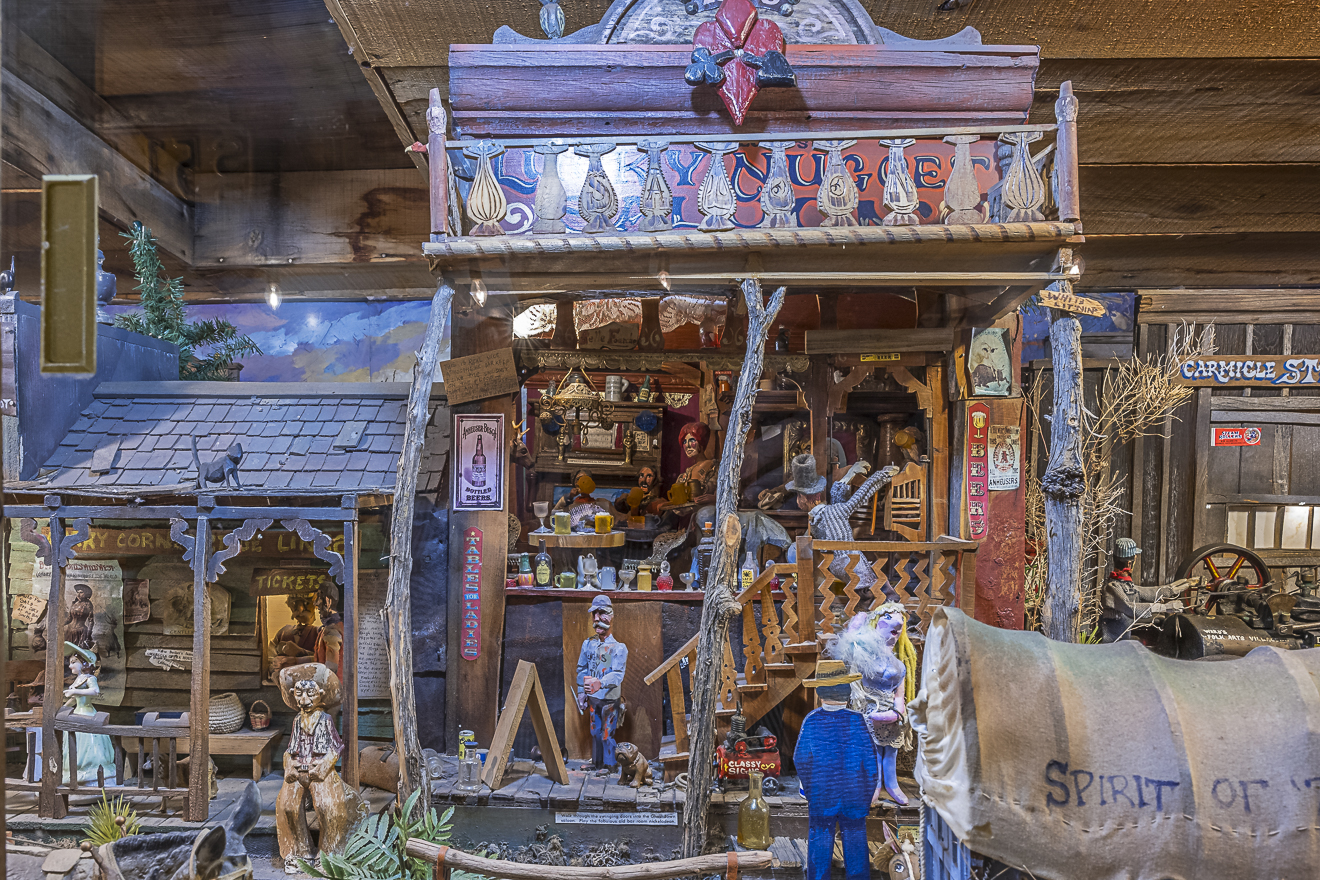
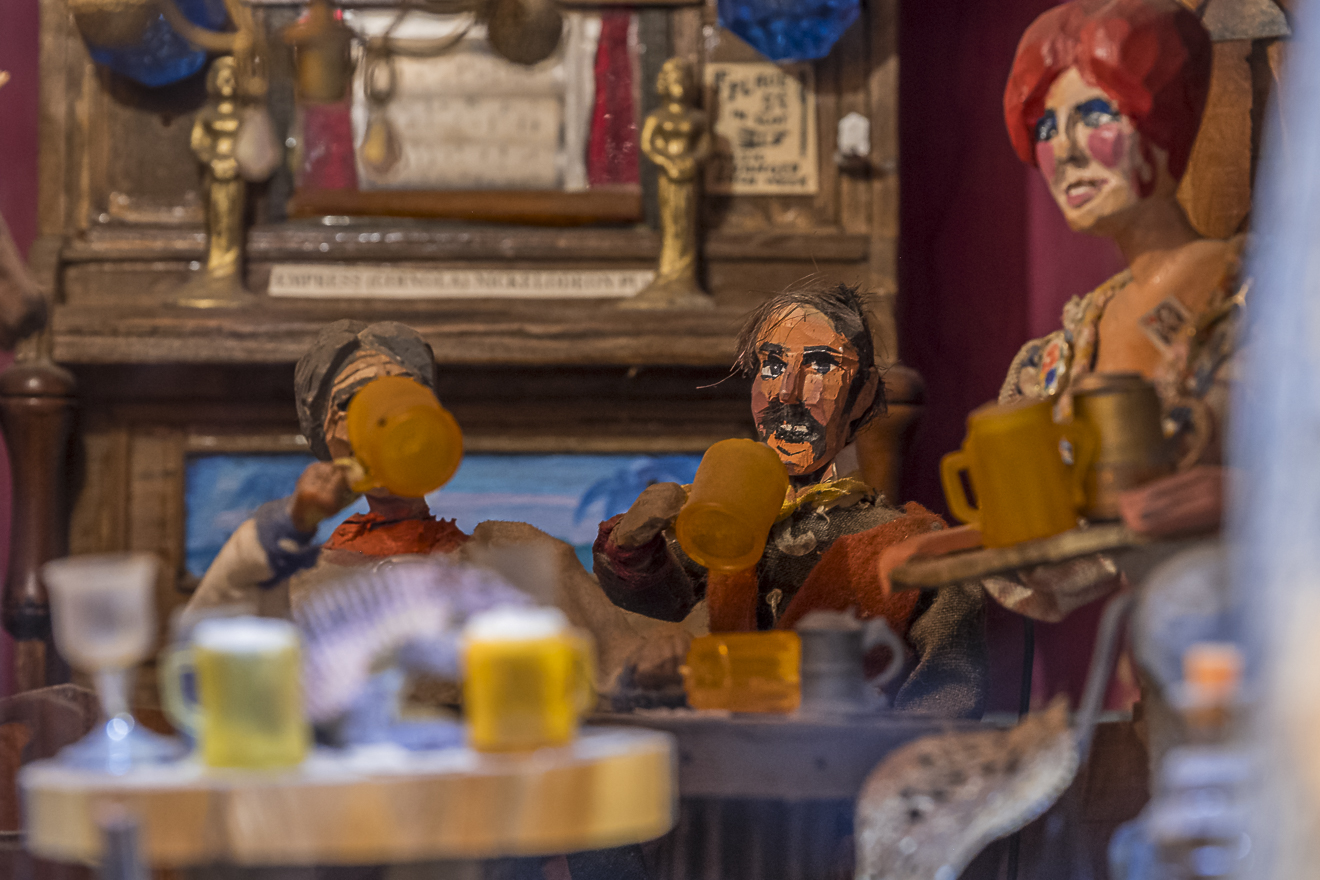
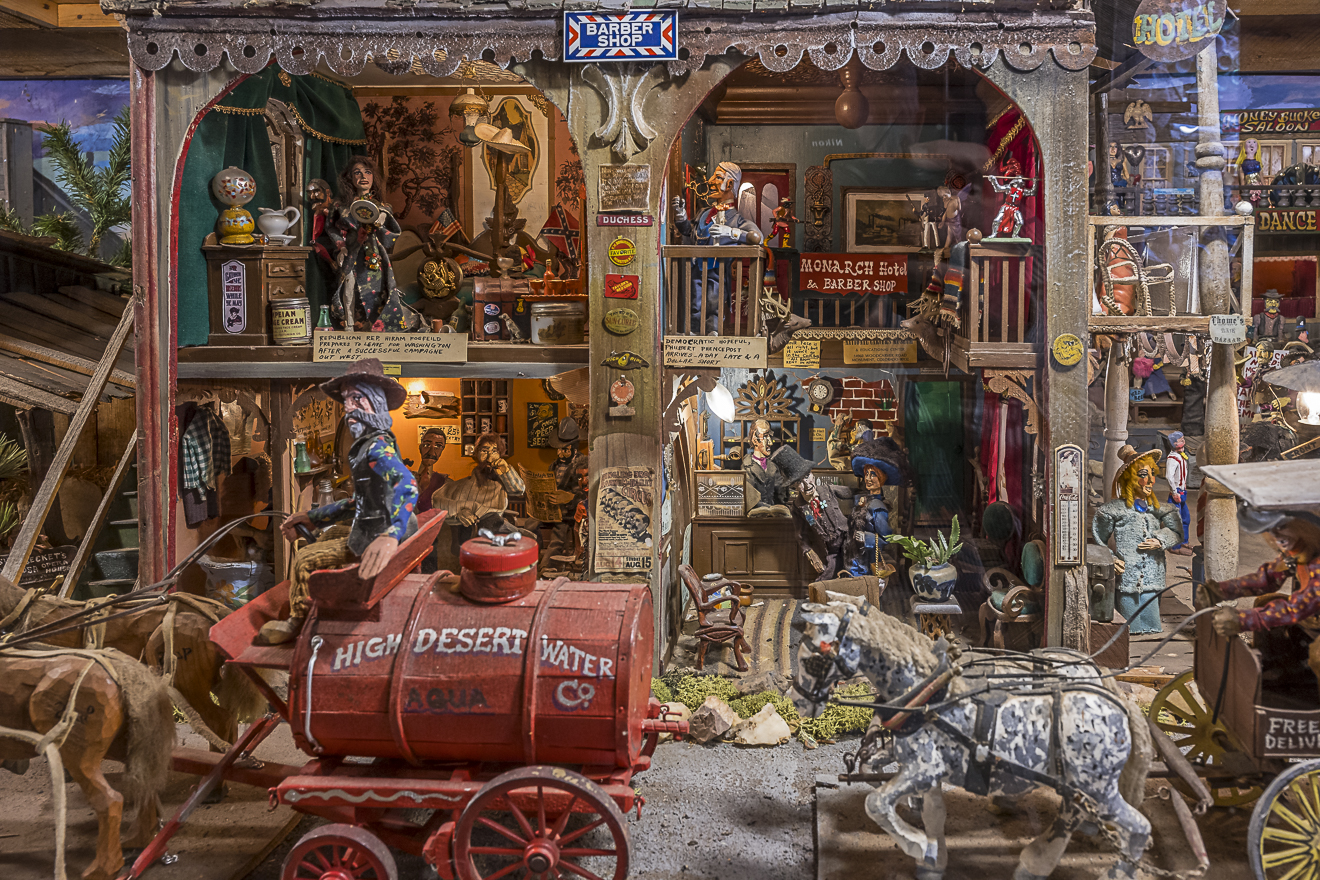
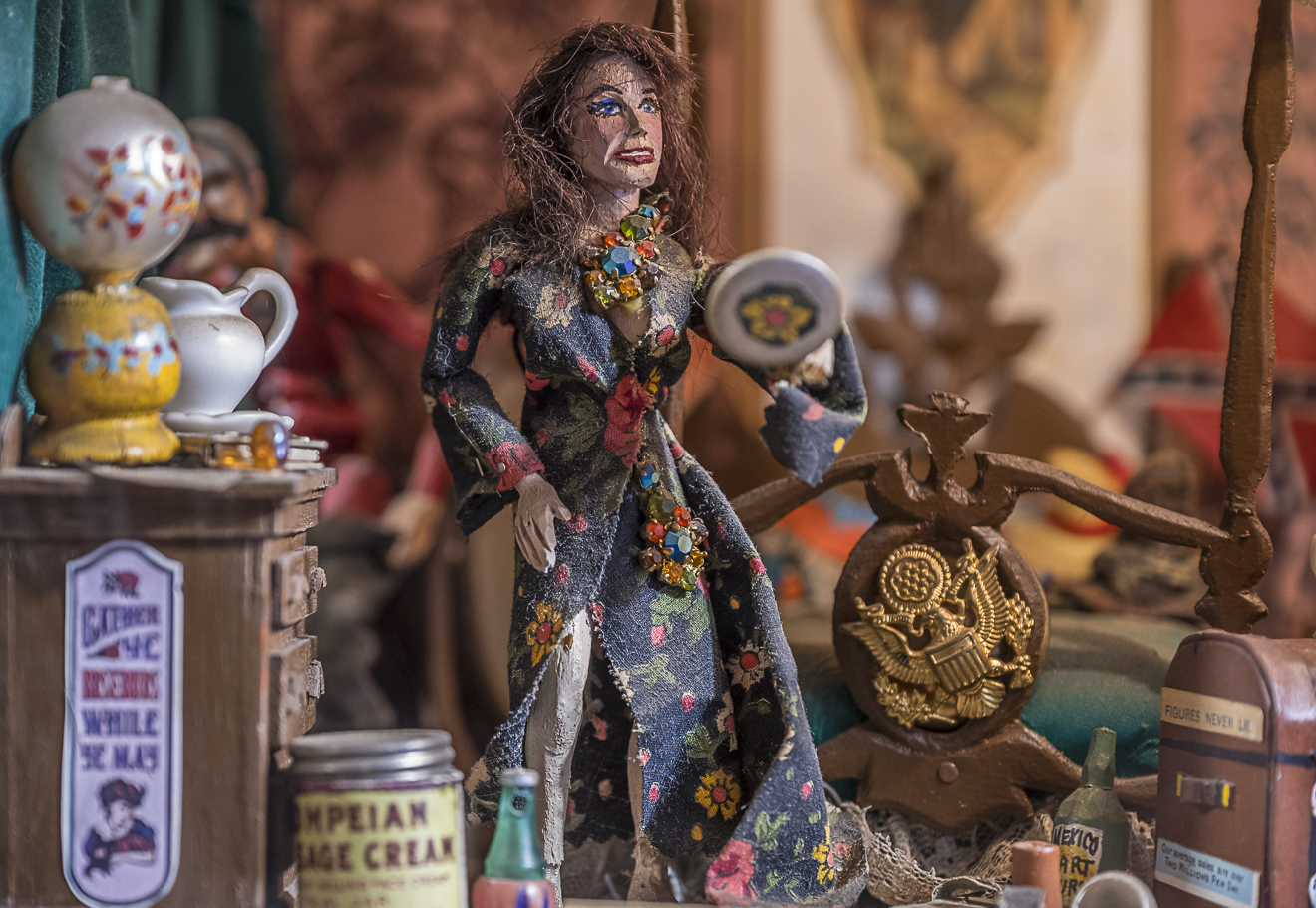
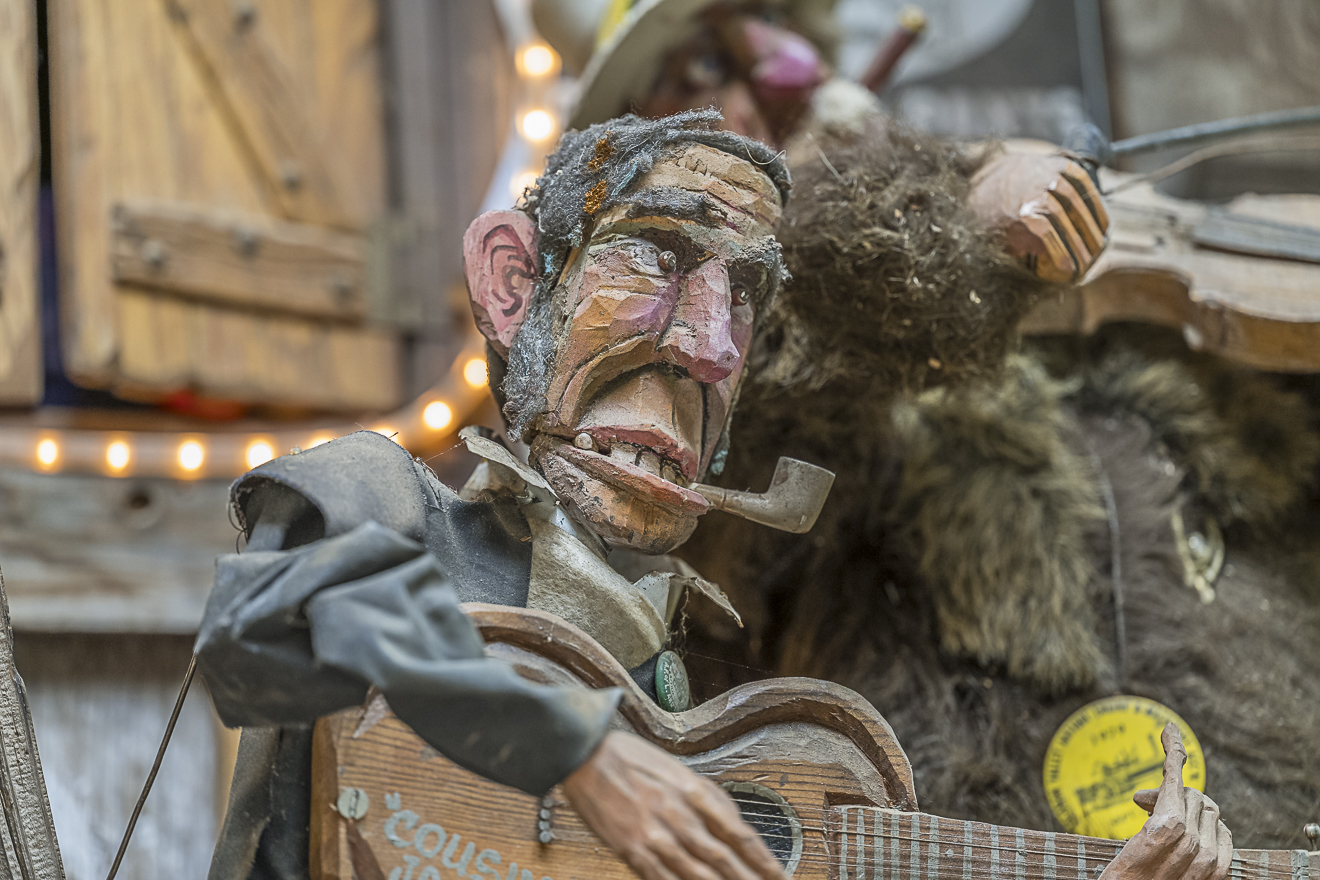
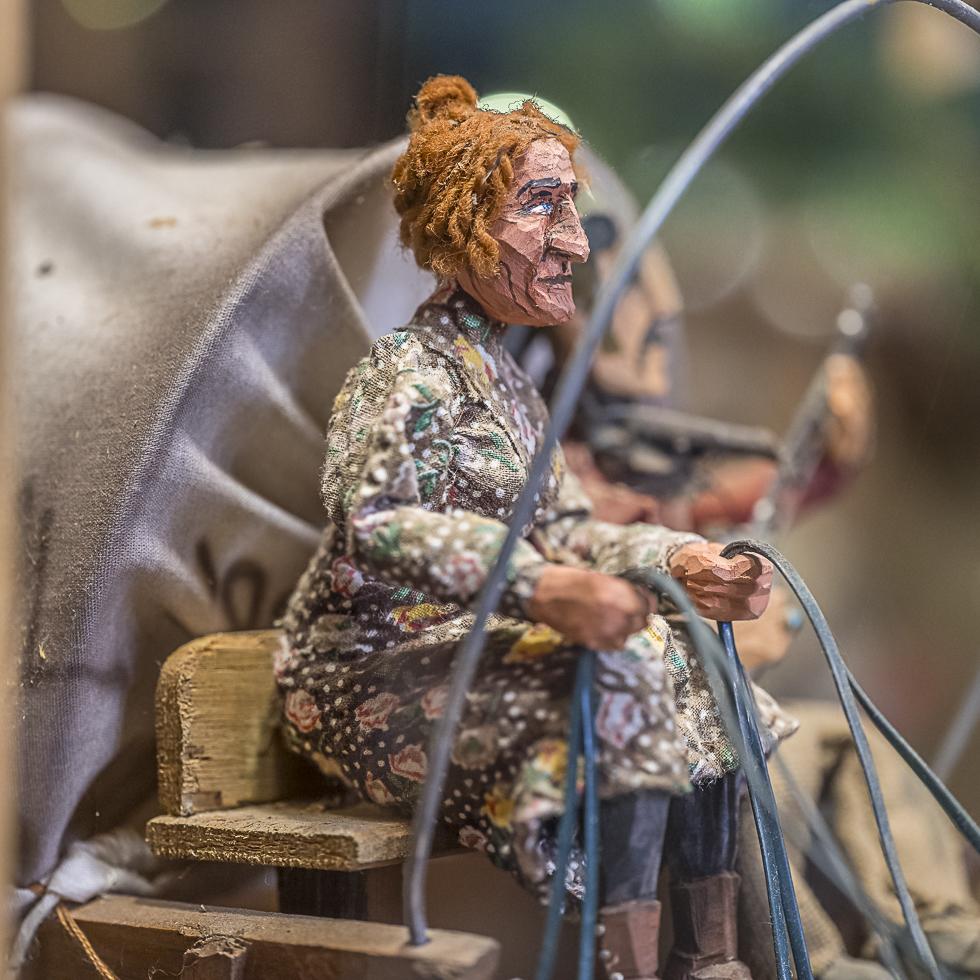
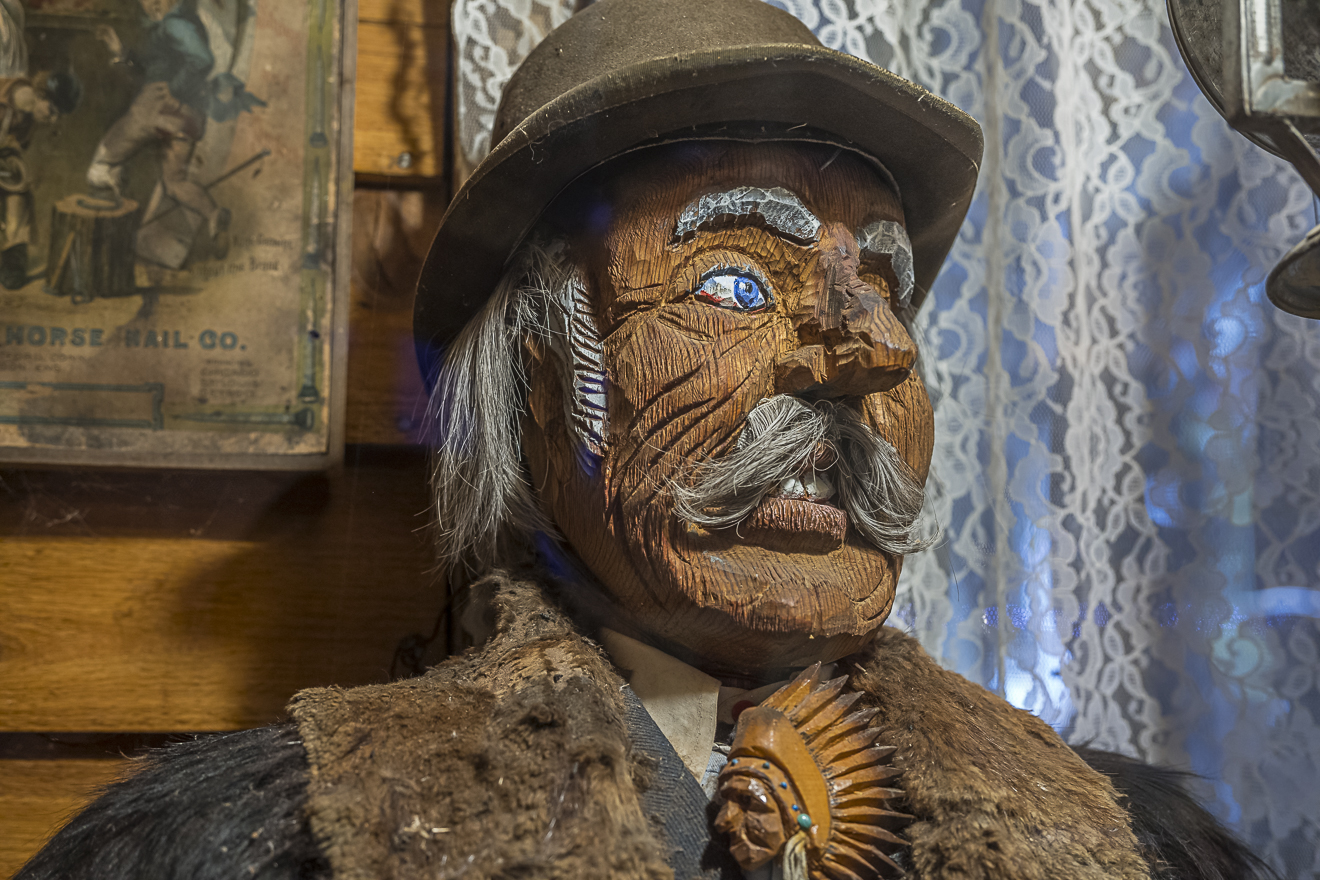
The miniature animated world invites a slower way of seeing. You stand before an 1880s Western town, or a traveling circus, and notice how each figure seems to carry intention. Drop in a coin, and the scene stirs to life. There is something quietly profound in that moment: motion powered by something as simple as a quarter, wonder powered by patience.
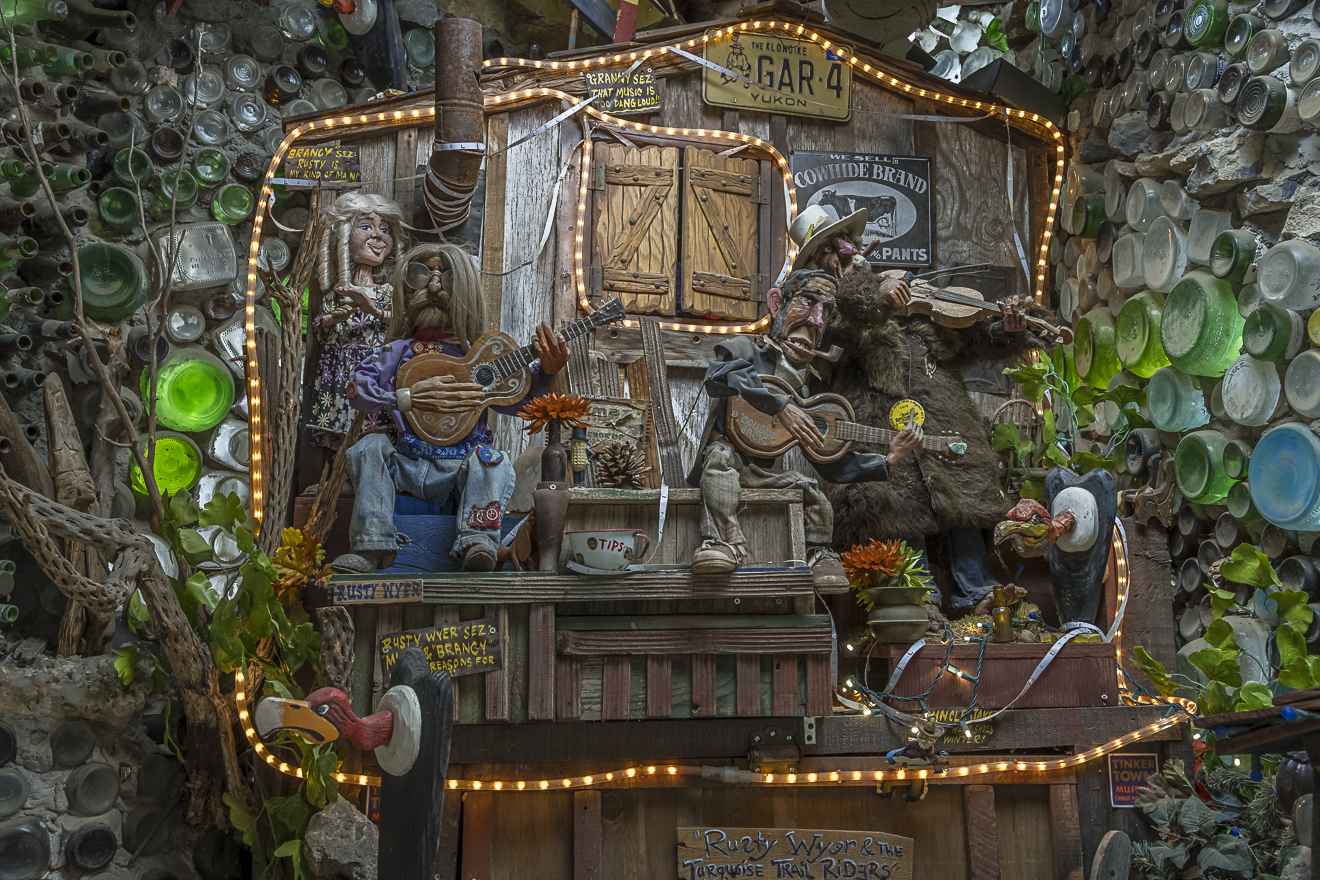
Ward’s story begins far from here, in South Dakota. A childhood visit to Knott’s Berry Farm lit a spark. He returned home and began building with cardboard, then carving, then refining. By 1969, he had settled in the Sandia Mountains, where Tinkertown would slowly emerge. In 1983, he and his wife Carla opened its doors, offering not just a place, but an invitation into a way of living.
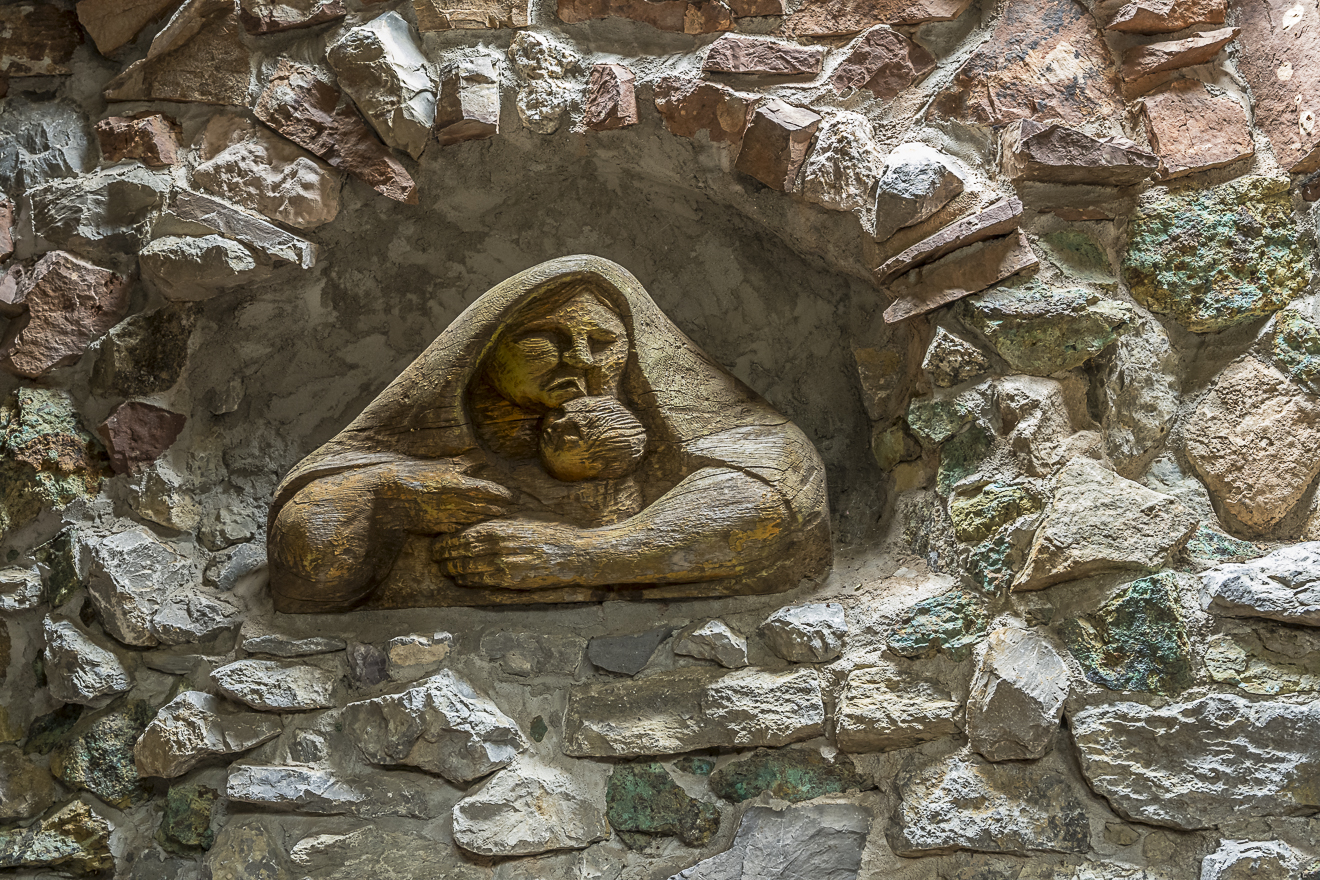
He was not only a builder, but a painter, a printmaker, a restless observer of the world around him. His work carries the mark of someone who ever stopped paying attention. Even as he traveled, even as he built, he kept creating.
Ward died too young, at 62, from Alzheimer’s Disease. And yet, walking through Tinkertown, absence is not what you feel. Presence is. His work remains, held together not just by concrete and glass, but by time, discipline, and a certain stubborn joy.
Today, Carla still opens the doors from Friday to Monday, continuing the rhythm they began together.
If you allow yourself the time, this place gently reshapes your sense of it. It asks you to slow down, to look closely, to imagine more. And perhaps, without saying it outright, it asks a simple question: what might be possible, if you chose to build instead of watch?
Click Image to View Slideshow
Not far away, in Golden and Madrid, New Mexico, you can pause again. The golden church catches the light in its own way, and a cup of coffee at Java Junction feels like a quiet continuation of the same idea.
8 Comments