A Glimpse of Route 66 and Three Tulsa Museums
Since the opening of the Bob Dylan Center in Tulsa, Oklahoma, in May 2022, I’d wanted to visit it. I mentioned the idea to Jordan, Cindy’s cousin, and he immediately agreed to join me with his wife Catherine. Jordan and I had seen 14 Dylan concerts together in New York, so he was the perfect companion for this trip.
I drove early morning to Oklahoma and met Jordan, Catherine, and his friend Richard the next day. After checking into a great hotel in Tulsa, we were within walking distance of our main destination—the Bob Dylan Center.
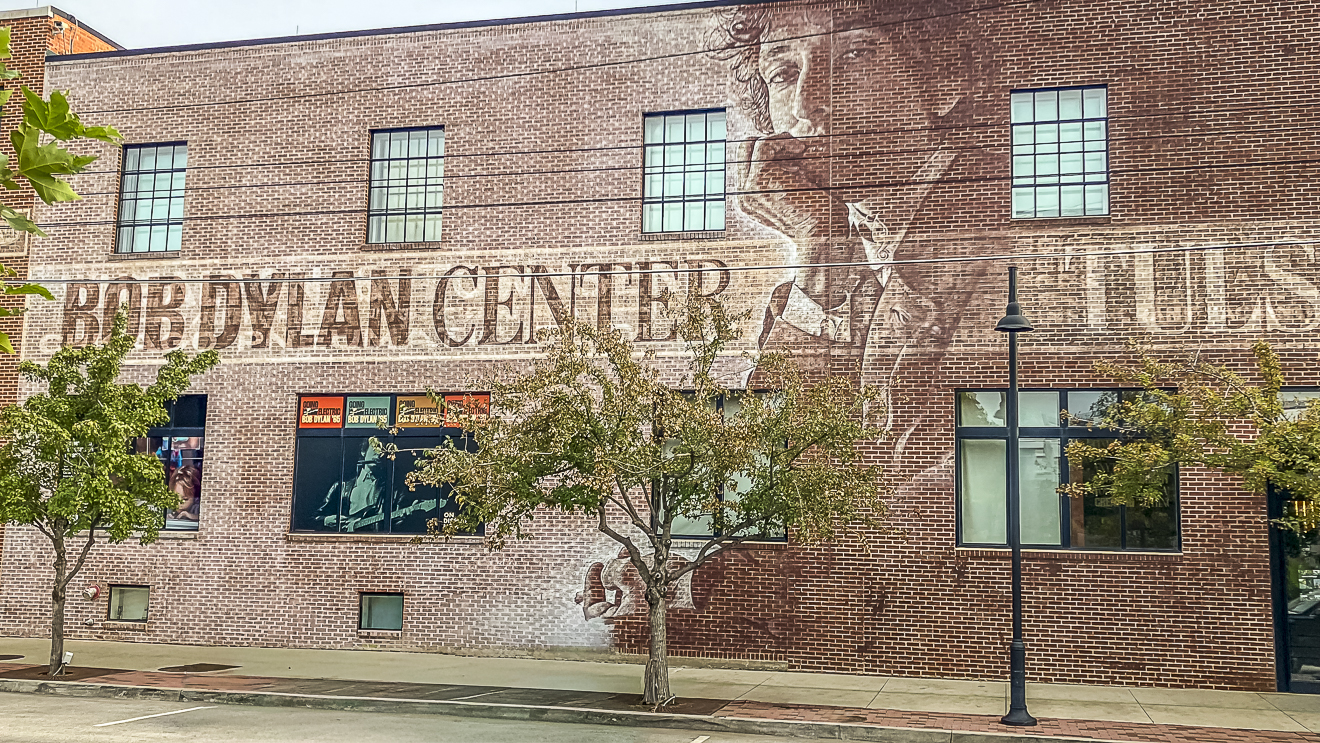
Bob Dylan Center
The Bob Dylan Center is a world-class museum dedicated to the life and work of one of America’s most influential singer-songwriters. Born in 1941 in Hibbing, Minnesota, Dylan is now 84 and has just completed a highly praised European tour.
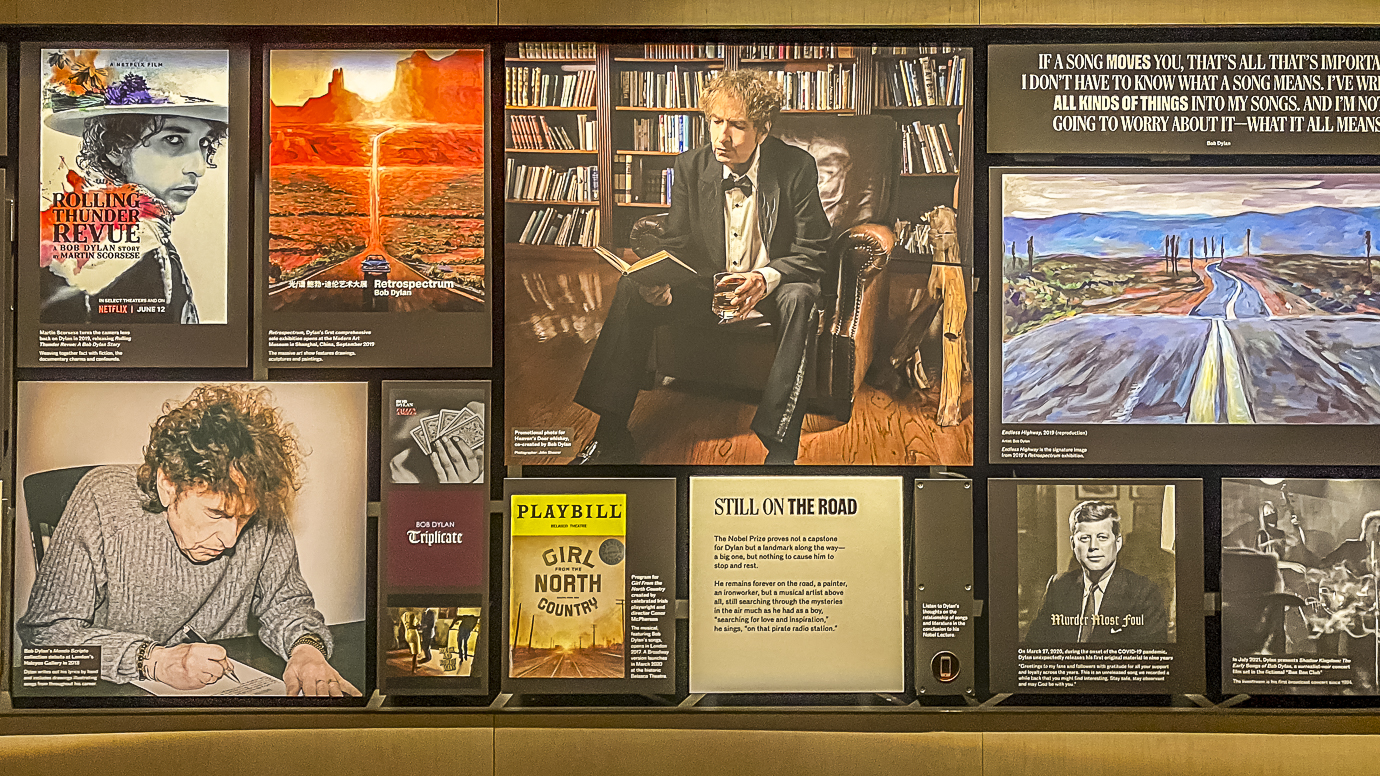
The museum houses extraordinary artifacts from over seven decades of his career, including handwritten lyric manuscripts, unreleased recordings, rare photographs, film performances, and visual art. I enjoyed the experience so much that I returned the next day for another visit.
Woody Guthrie Center
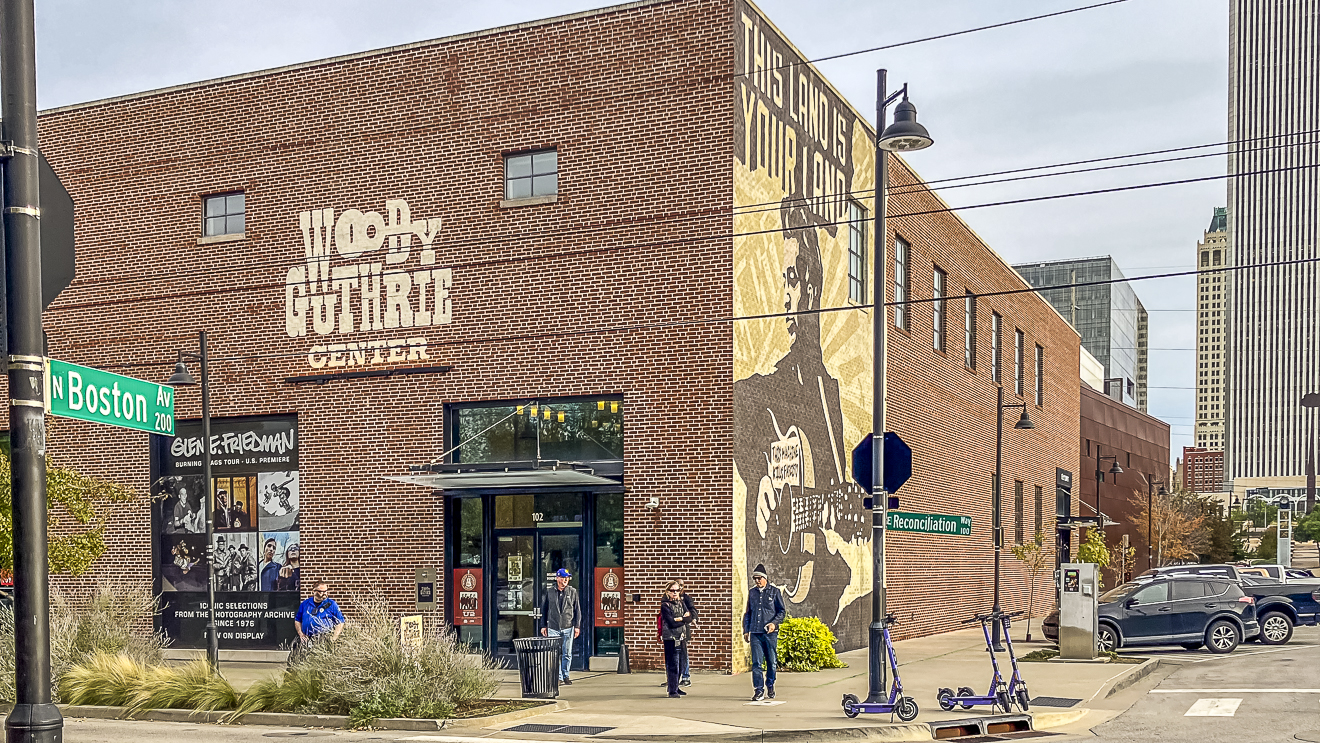
Almost next door is the Woody Guthrie Center, which highlights the artist who deeply influenced many artists, including Bob Dylan. The museum offers powerful insight into Guthrie’s life and the harsh realities of the Dust Bowl era, while emphasizing his role in American history and his commitment to social justice.
Greenwood Rising Museum
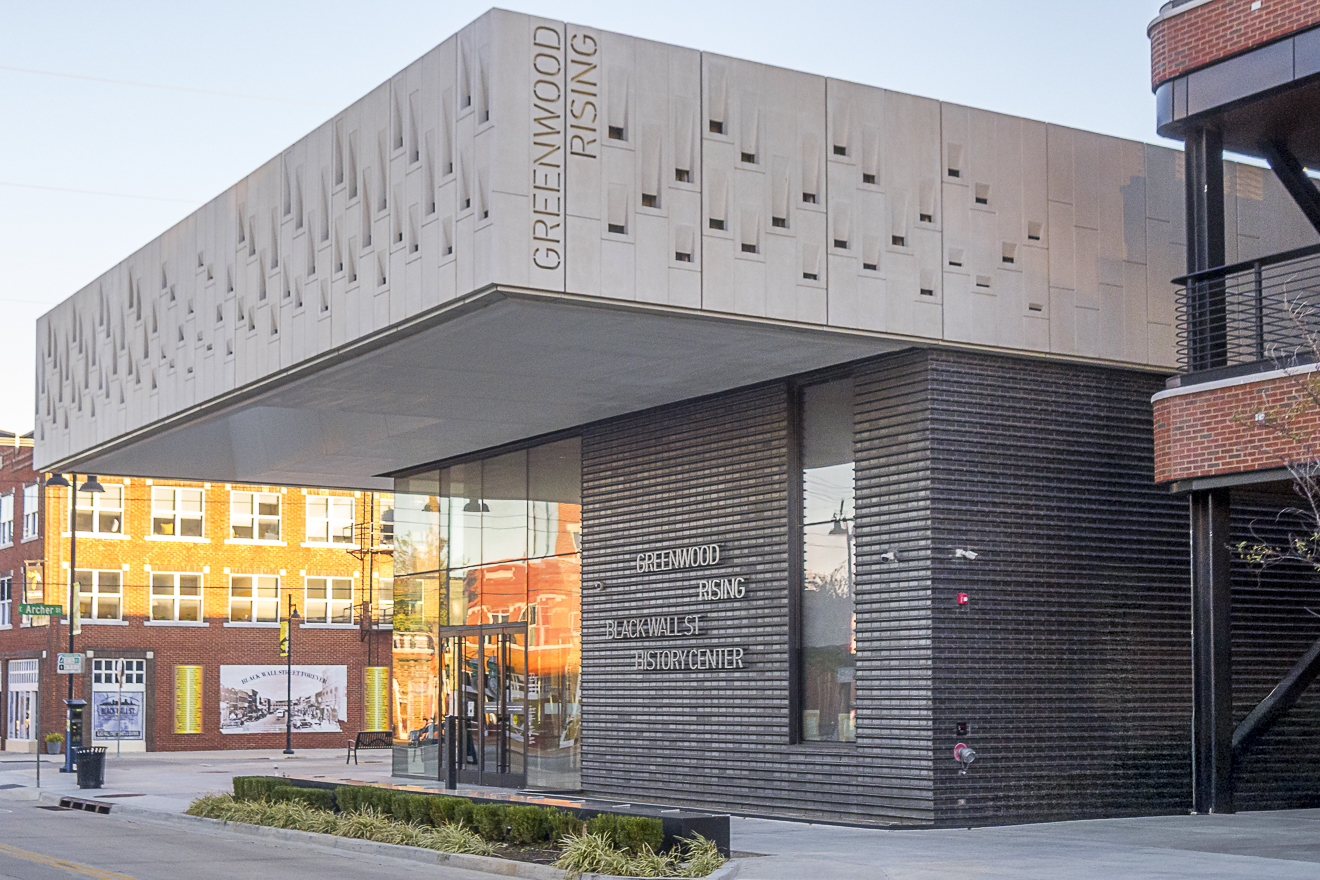
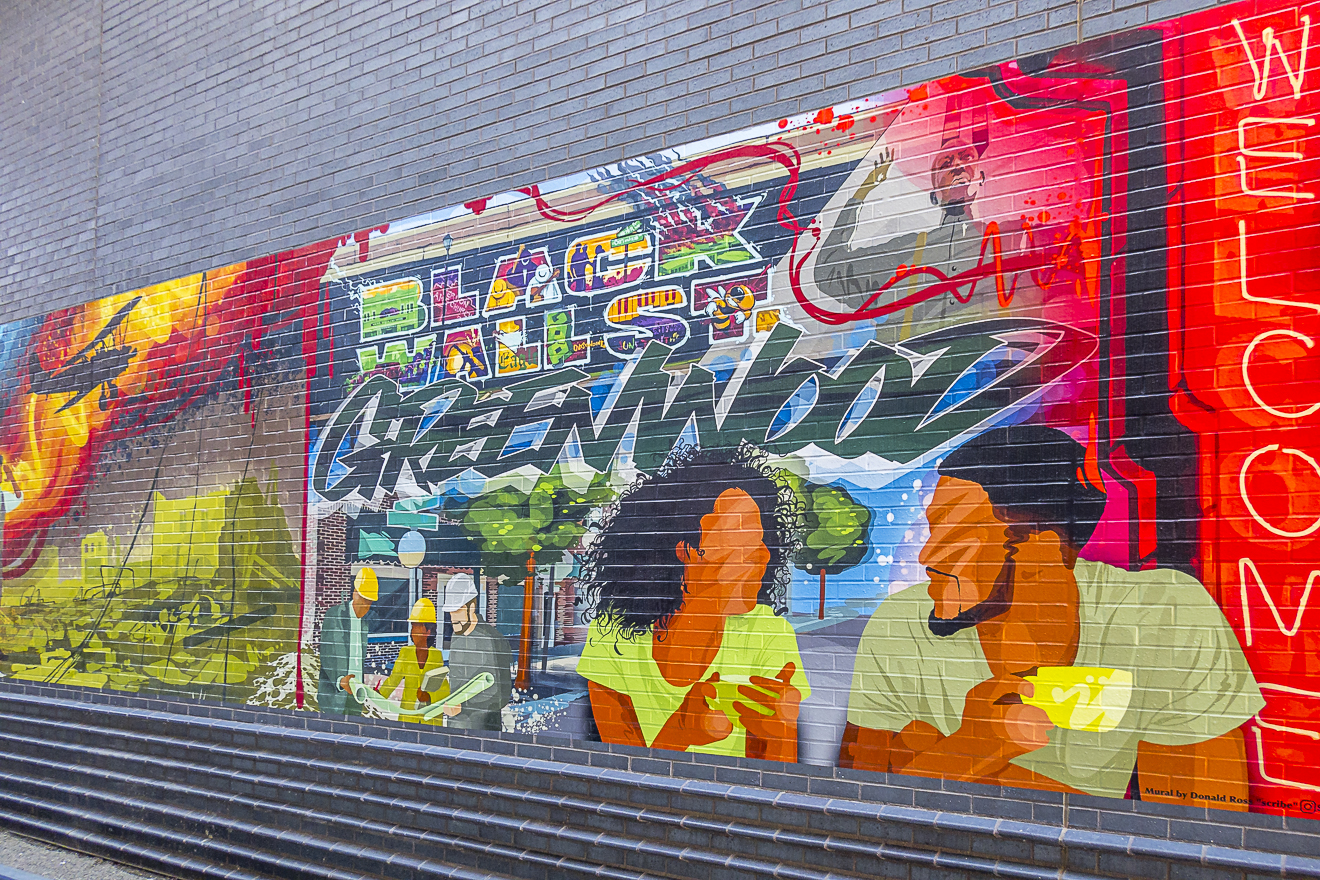
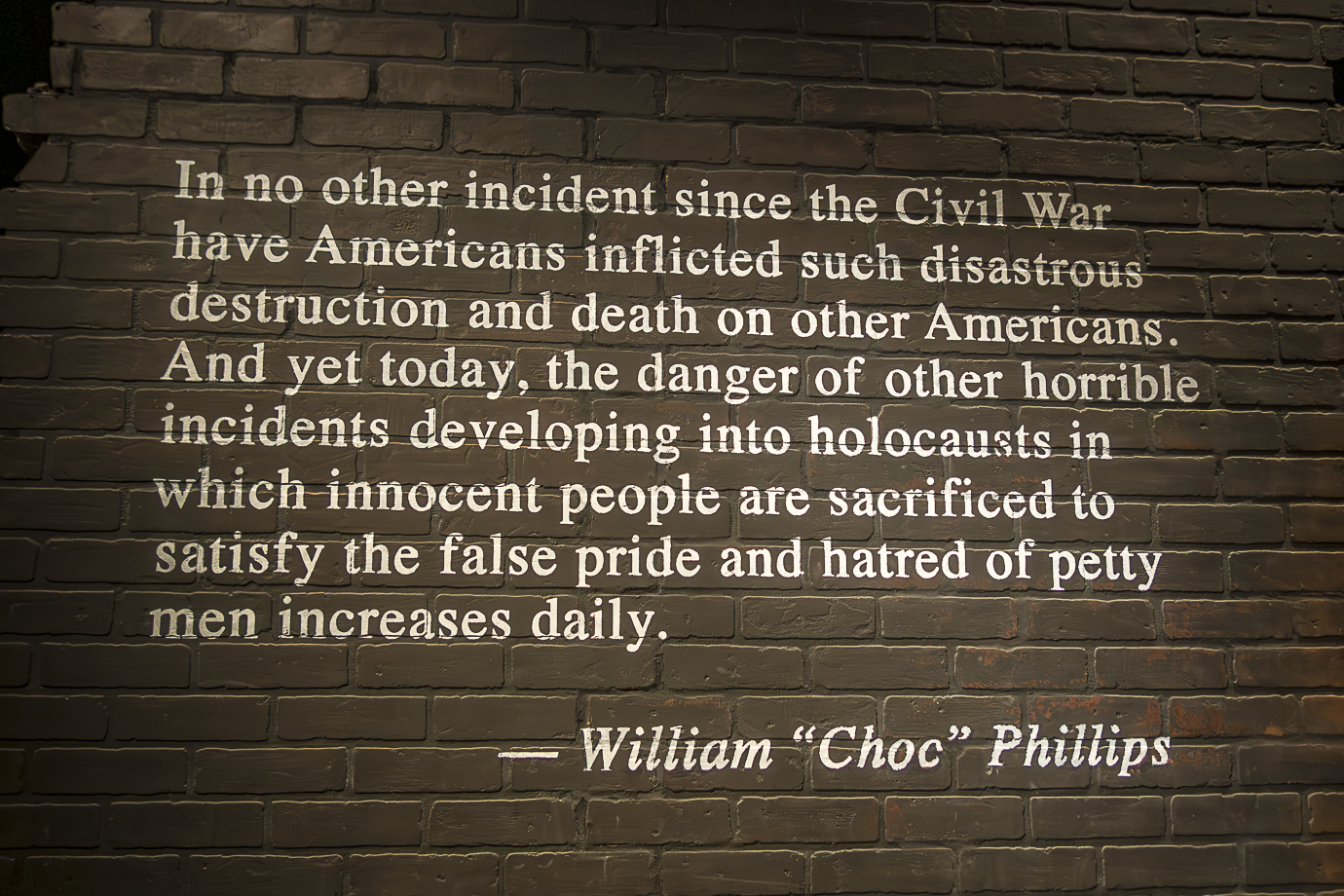
Greenwood Rising: Within walking distance from the Dylan Center is The Black Wall Street History Center. It is an incredible but emotionally heavy experience. It tells the story of the Greenwood District and the 1921 Tulsa Race Massacre—an important chapter of American history that most Americans didn’t learn in school. The exhibits are thoughtful, well designed, and encourage reflection and reconciliation. Here is a short summary what happened:
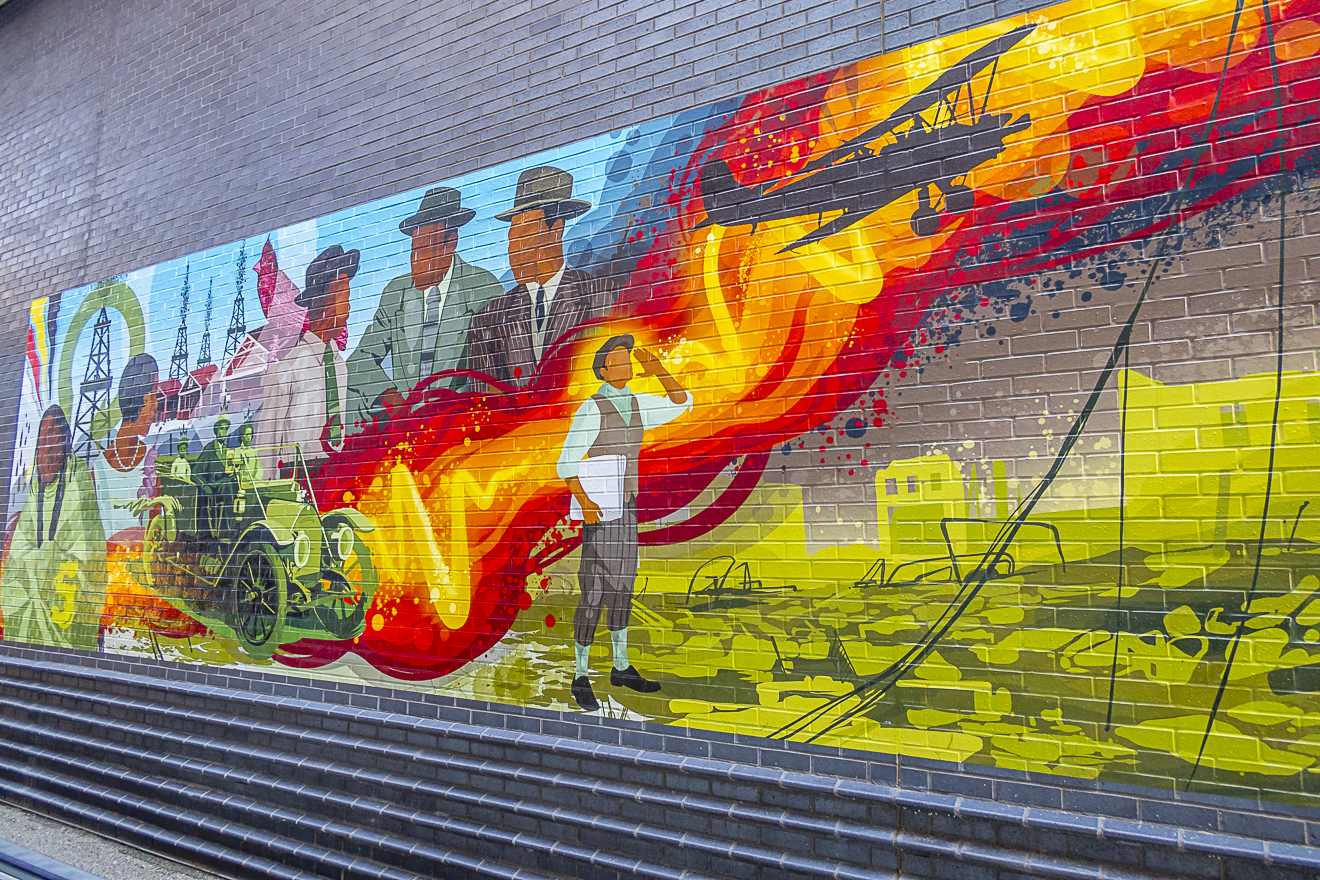
In the early 20th century, the Greenwood District of Tulsa, Oklahoma, was one of the most prosperous Black communities in the United States. Nicknamed “Black Wall Street,” it was home to doctors, lawyers, educators, entrepreneurs, and a thriving Black middle class. The Ku Klux Klan was also resurging, fueling violence against African Americans during the “Red Summer” era. In Tulsa, resentment toward the prosperous Black community of Greenwood grew alongside strict segregation. However, on May 31 and June 1, 1921, this community was devastated when white mobs, with the complicity of local authorities, launched a violent attack that left as many as 300 Black residents dead, thousands homeless, and over 35 square blocks of homes and businesses burned to the ground.
Yes, American history has significant “dark” periods and events, such as slavery, the systematic displacement and violence against Native American, segregation and Jim Crow, Japanese American internment during WWII, and today I would add Trump’s deployment of ICE all over the country.
Route 66
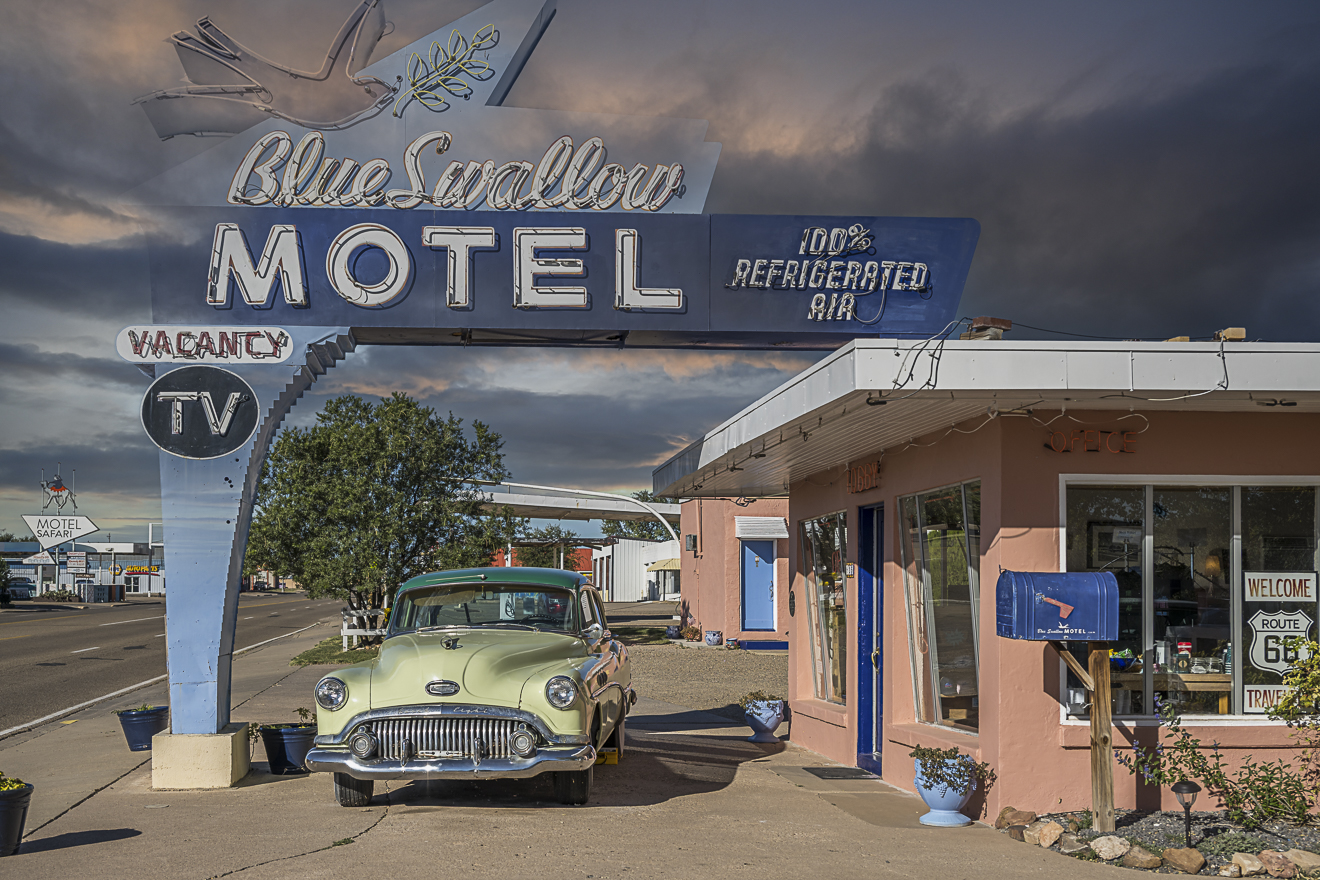
Route 66 celebrates its 100th anniversary this year. I especially enjoyed the New Mexico stretch on my way to Tulsa. Some places along the route are fading, while others are lovingly restored by people dedicated to keeping the Mother Road alive. I’m a member of Route 66 / New Mexico and appreciate the passion behind this preservation.
Next time in Tulsa, I won’t miss the Route 66 Historical Village.
It was another great road trip—and one that’s already asking for more.
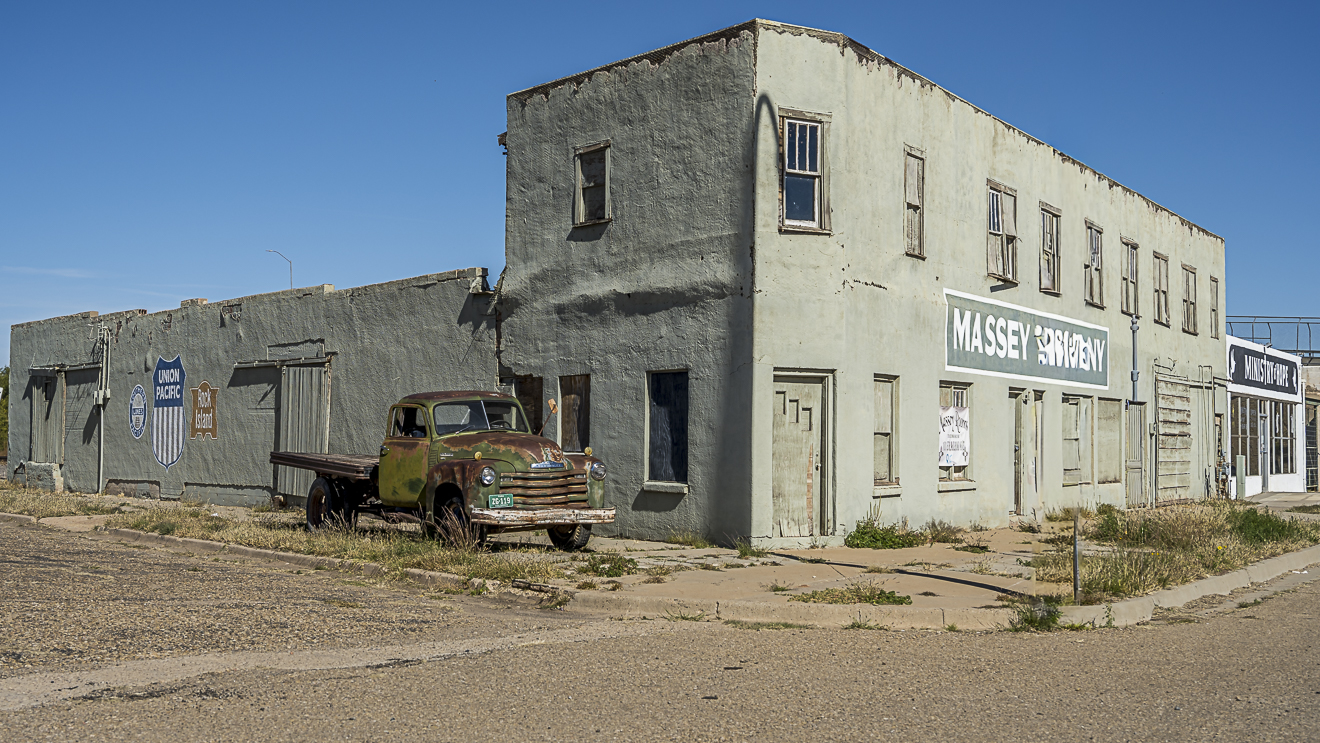
Click Image to View Slideshow
[caption id="attachment_9929" align="alignnone" width="600"]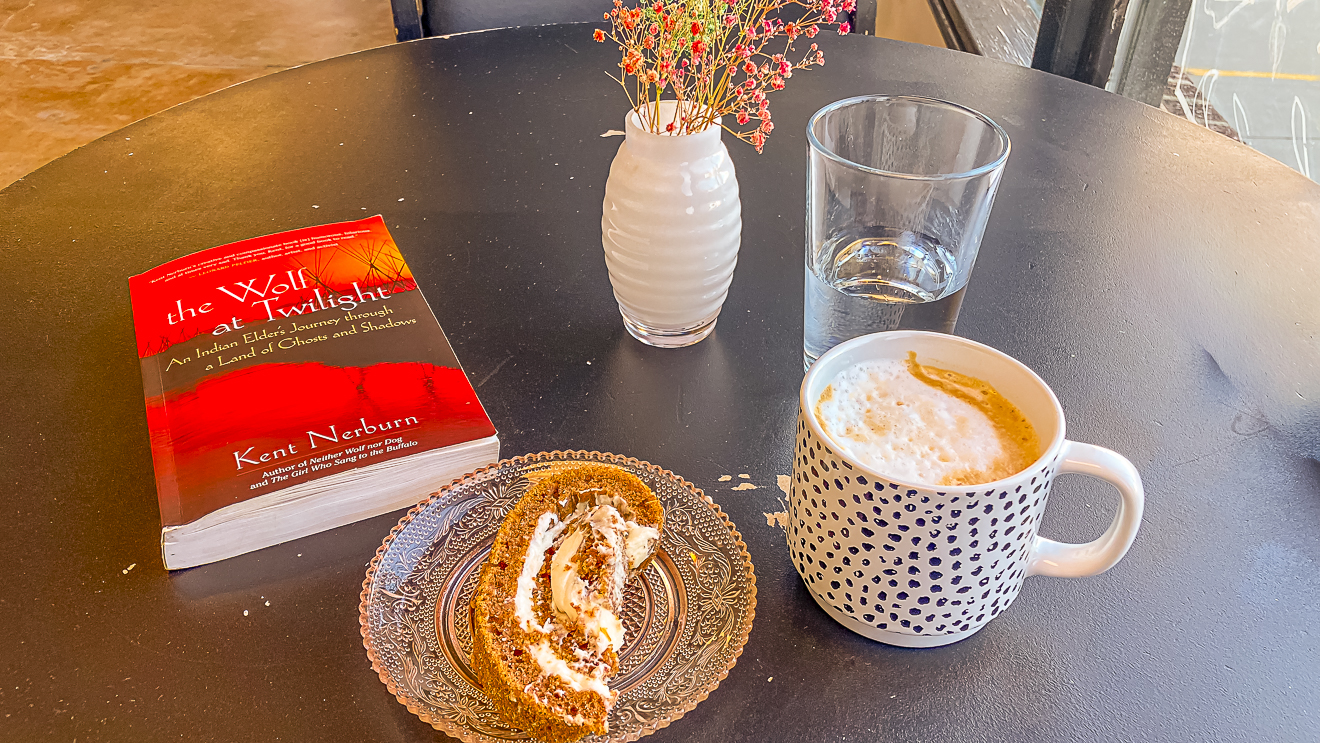 Waiting for Jordan, Catherine & Richard – not a bad waiting location 🙂[/caption]
[caption id="attachment_9927" align="alignnone" width="600"]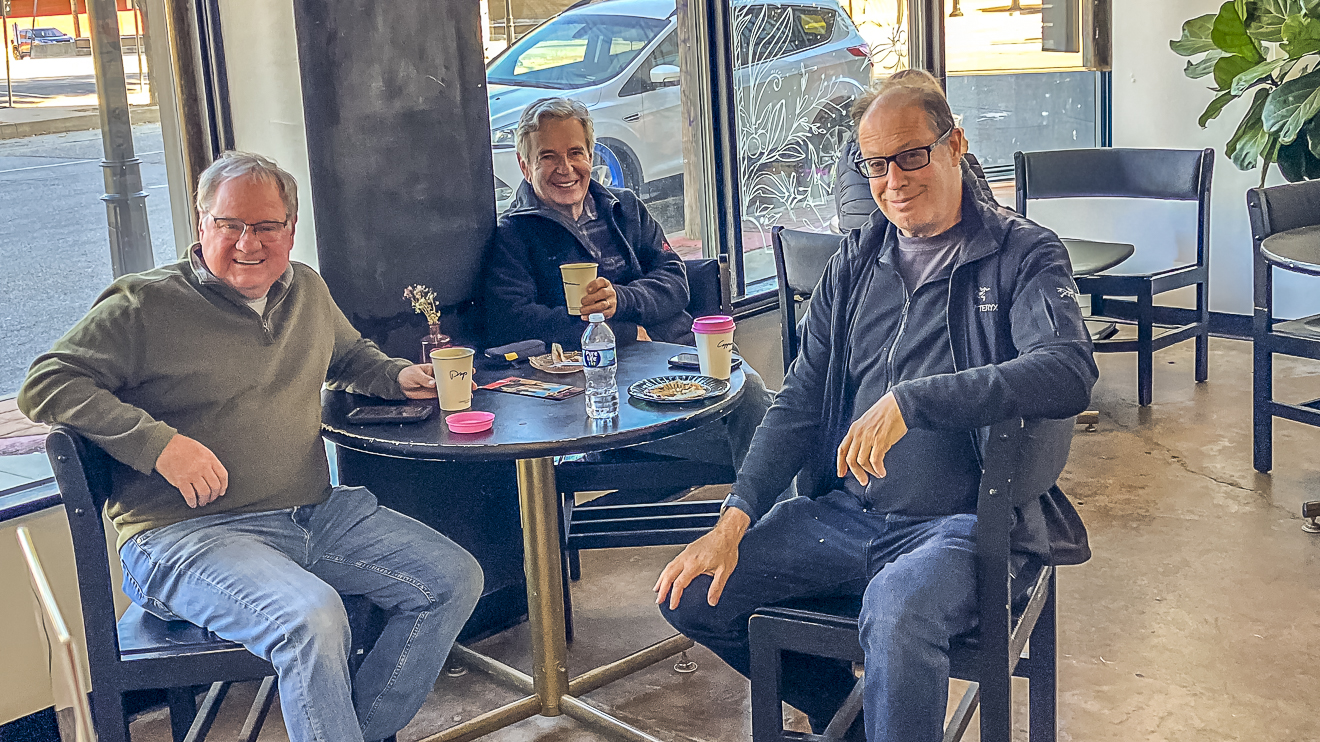 Getting ready to explore with Richard & Jordan[/caption]
[caption id="attachment_9949" align="alignnone" width="600"]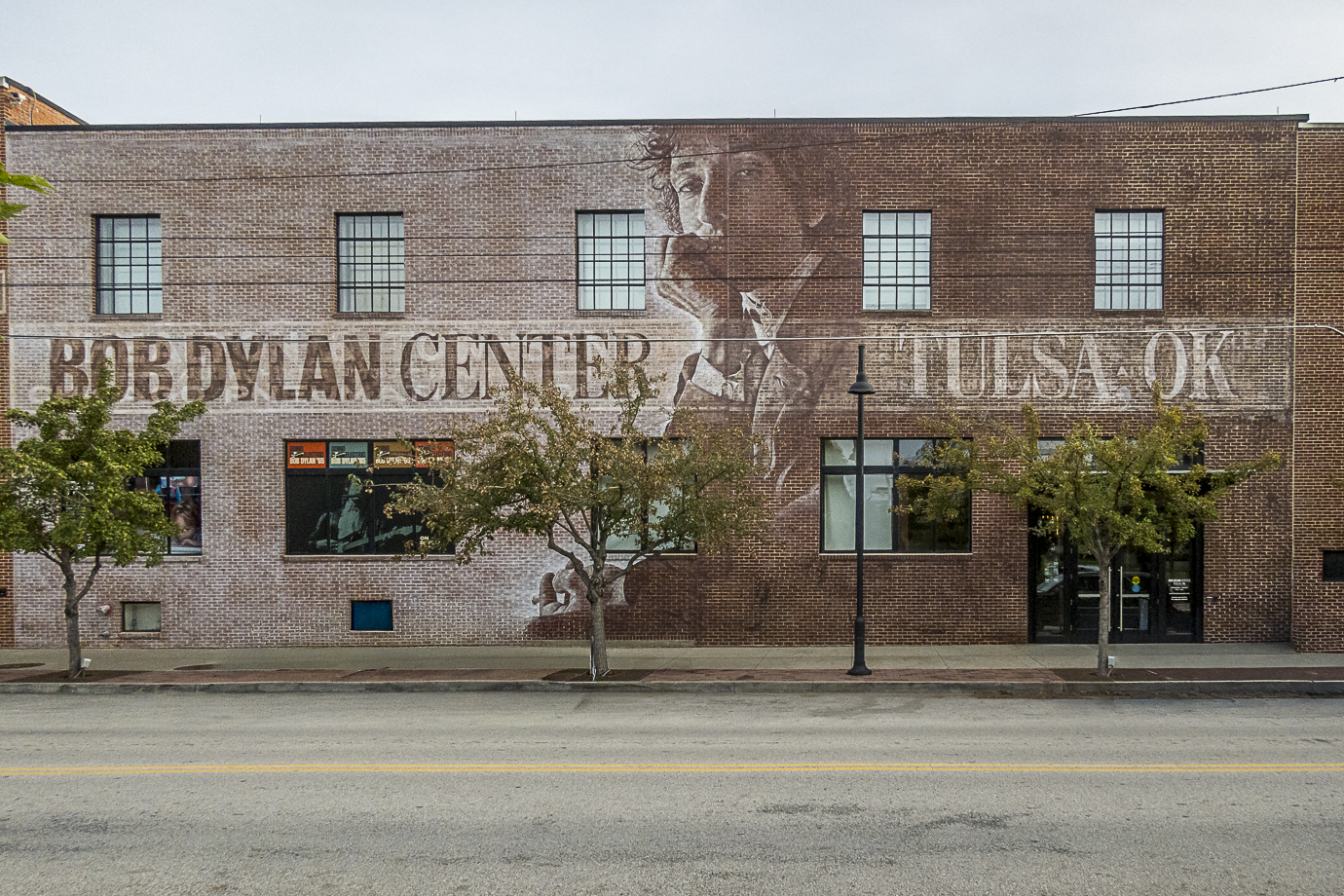 Here it is THE BOB DYLAN CENTER[/caption]
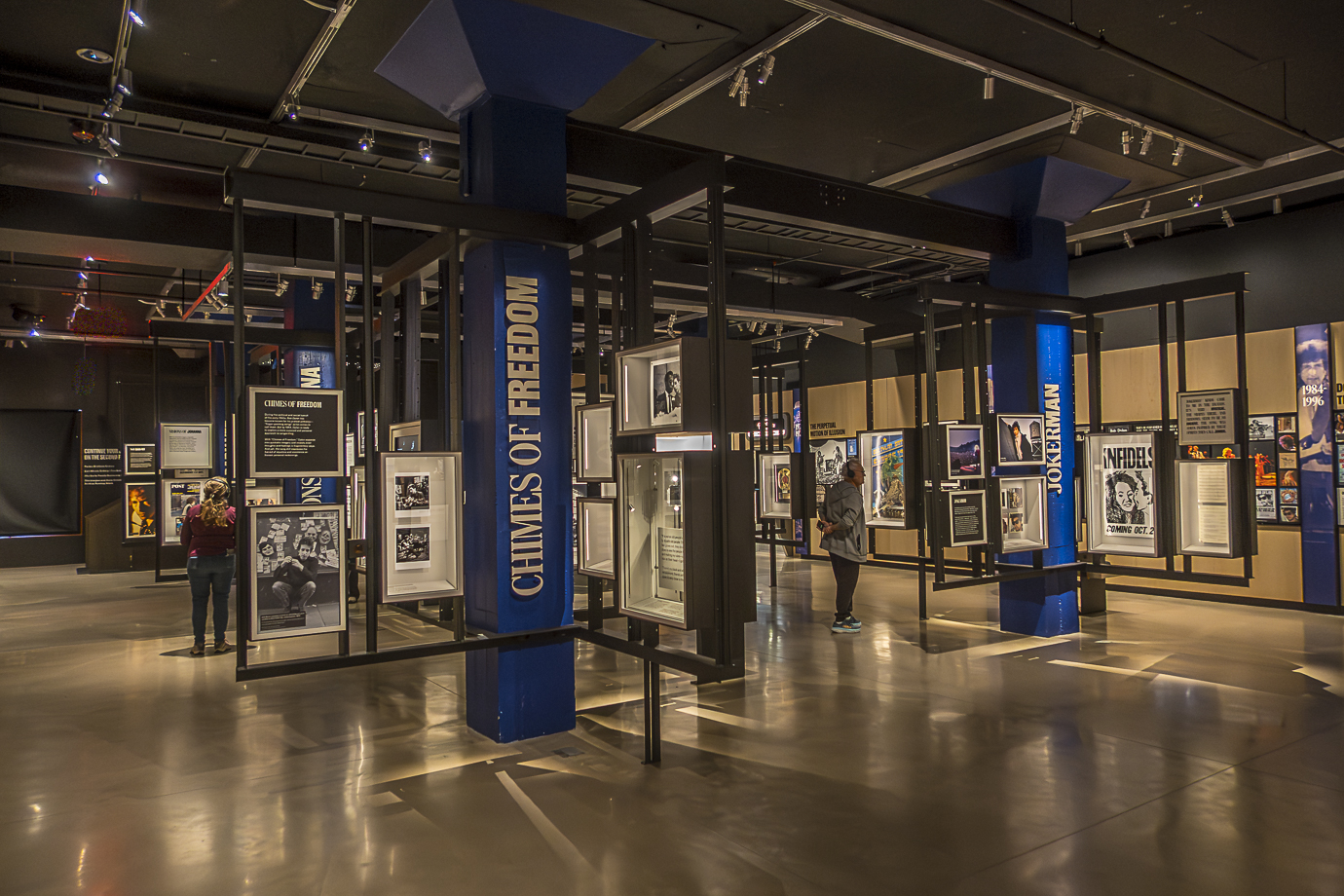
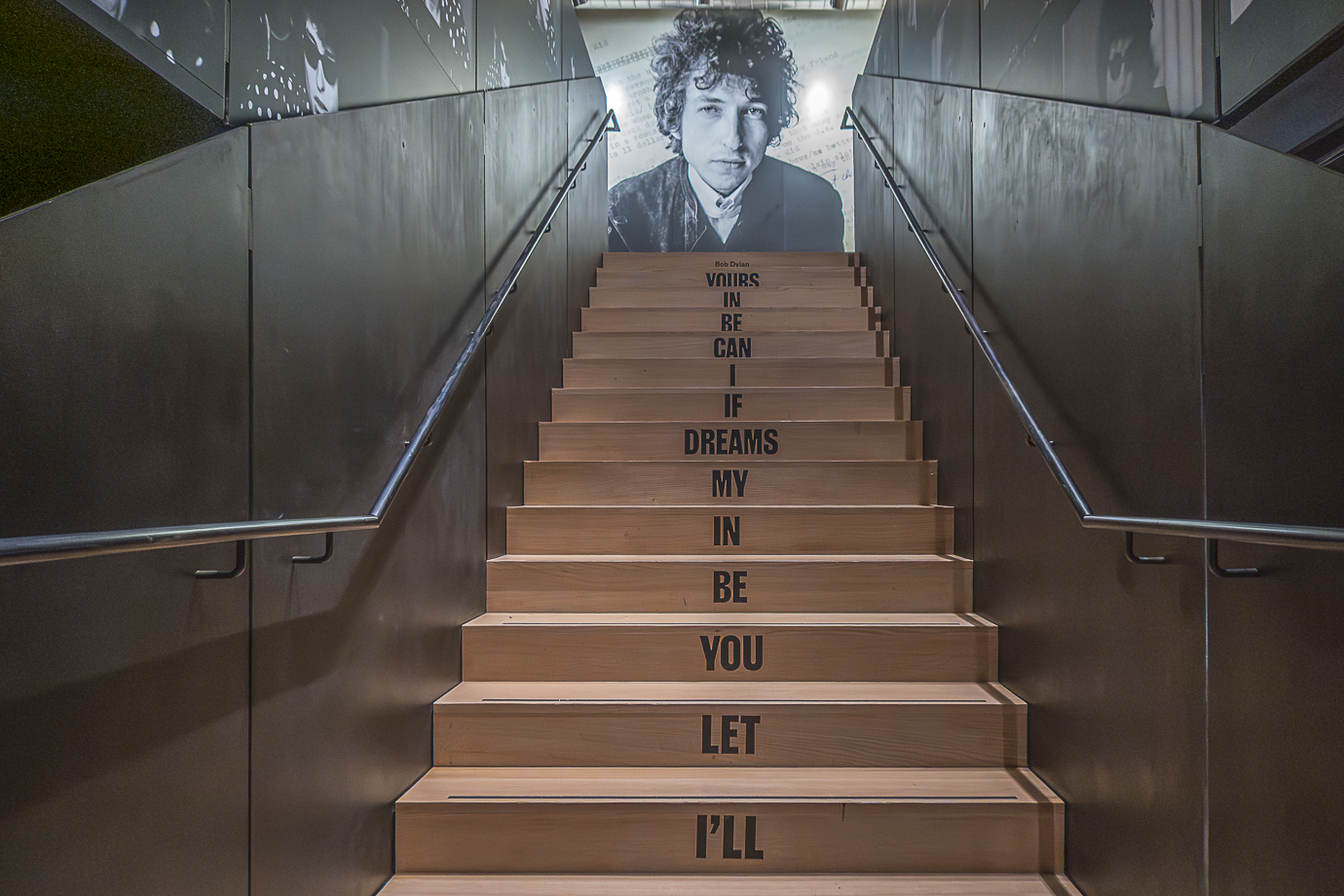
[caption id="attachment_9965" align="alignnone" width="600"]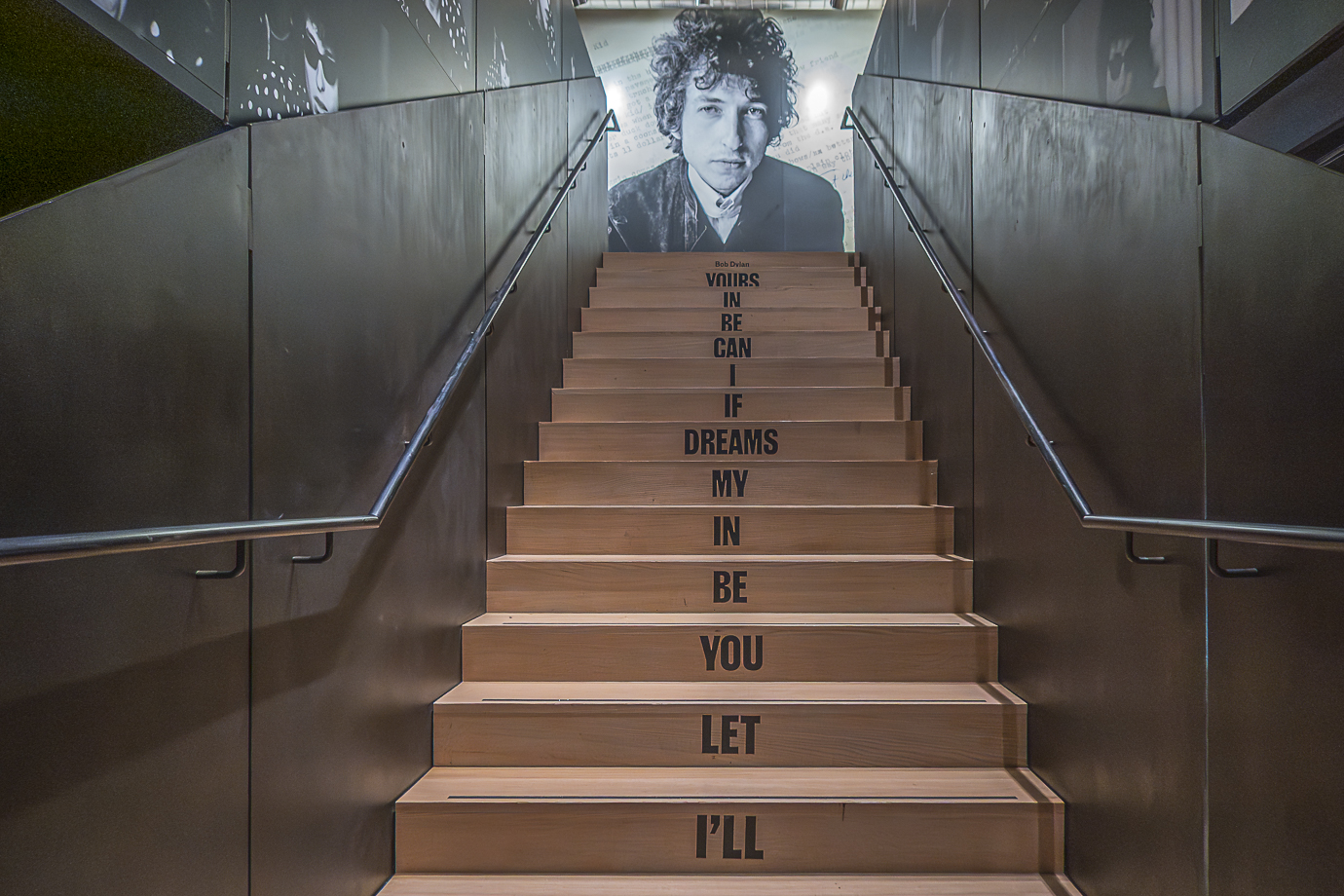 Bob Dylan’s song “Talkin’ World War III Blues”: “I’ll let you be in my dreams if I can be in yours”. It’s a poetic offer of sharing a deep, personal space, suggesting mutual connection and a desire for intimacy in a surreal way, and has been used in various artistic contexts and expressions of relationships.[/caption]
[caption id="attachment_9967" align="alignnone" width="600"]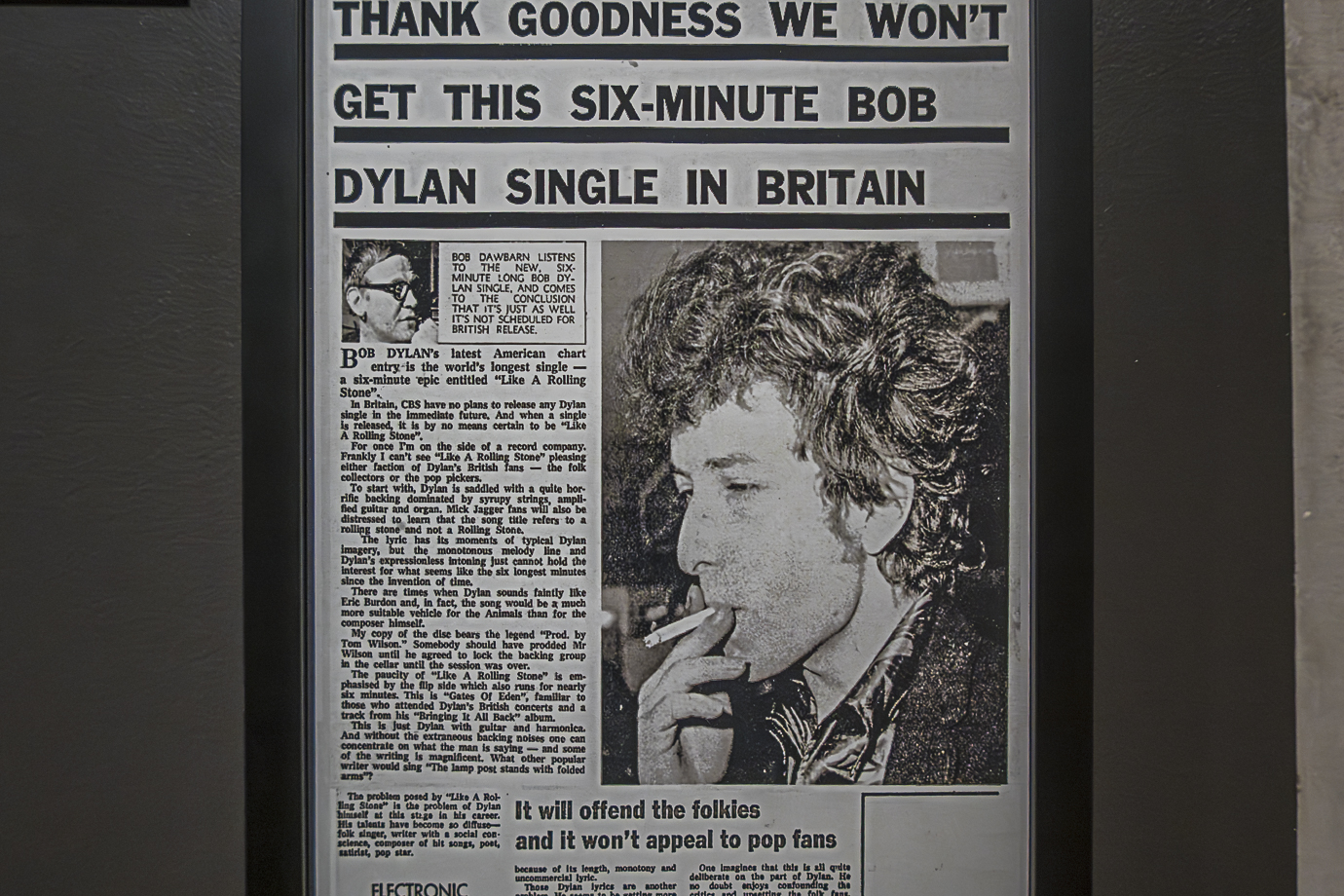 Standard was 3 minutes songs, Dylan came with his song “Like A Rolling Stone” which lasted 6+ minutes.[/caption]
[caption id="attachment_9968" align="alignnone" width="600"]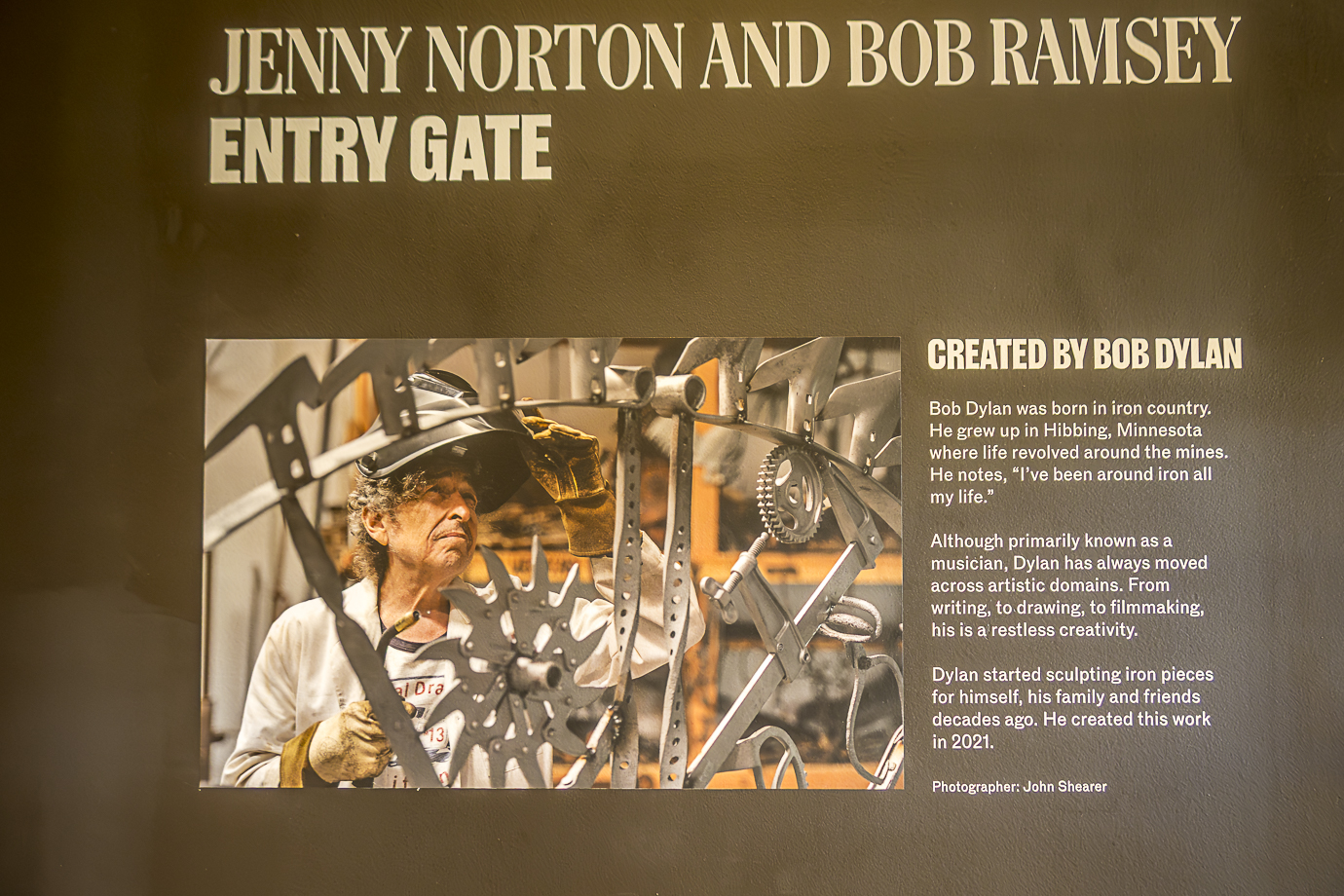 He created for the CENTER this iron gate (see next picture)[/caption]
[caption id="attachment_9907" align="alignnone" width="300"]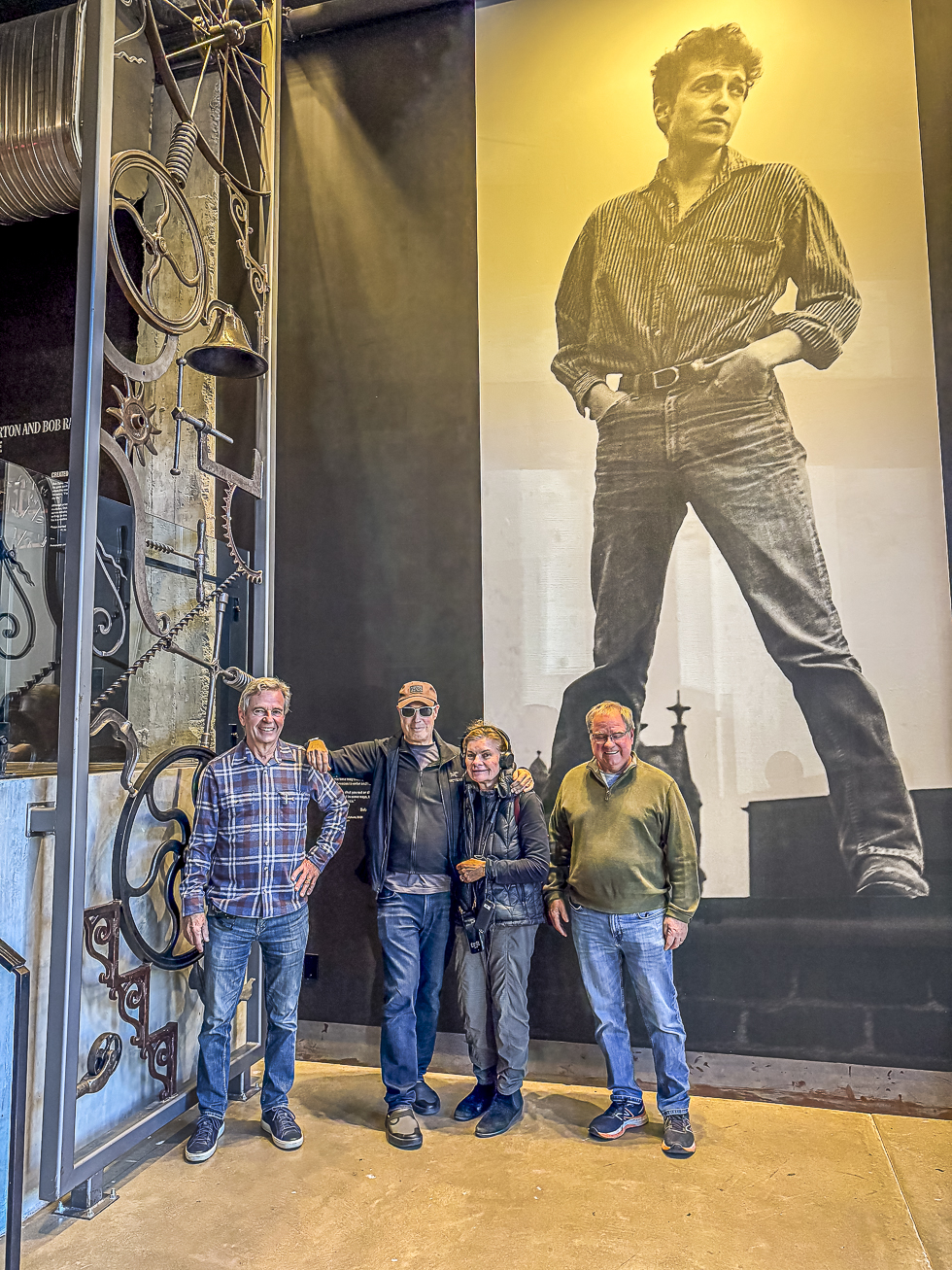 The Dylan-, Guthrie-, Greenwood Rising-, Breakfast-, Dinner- and Drink Gang[/caption]
[caption id="attachment_9955" align="alignnone" width="600"]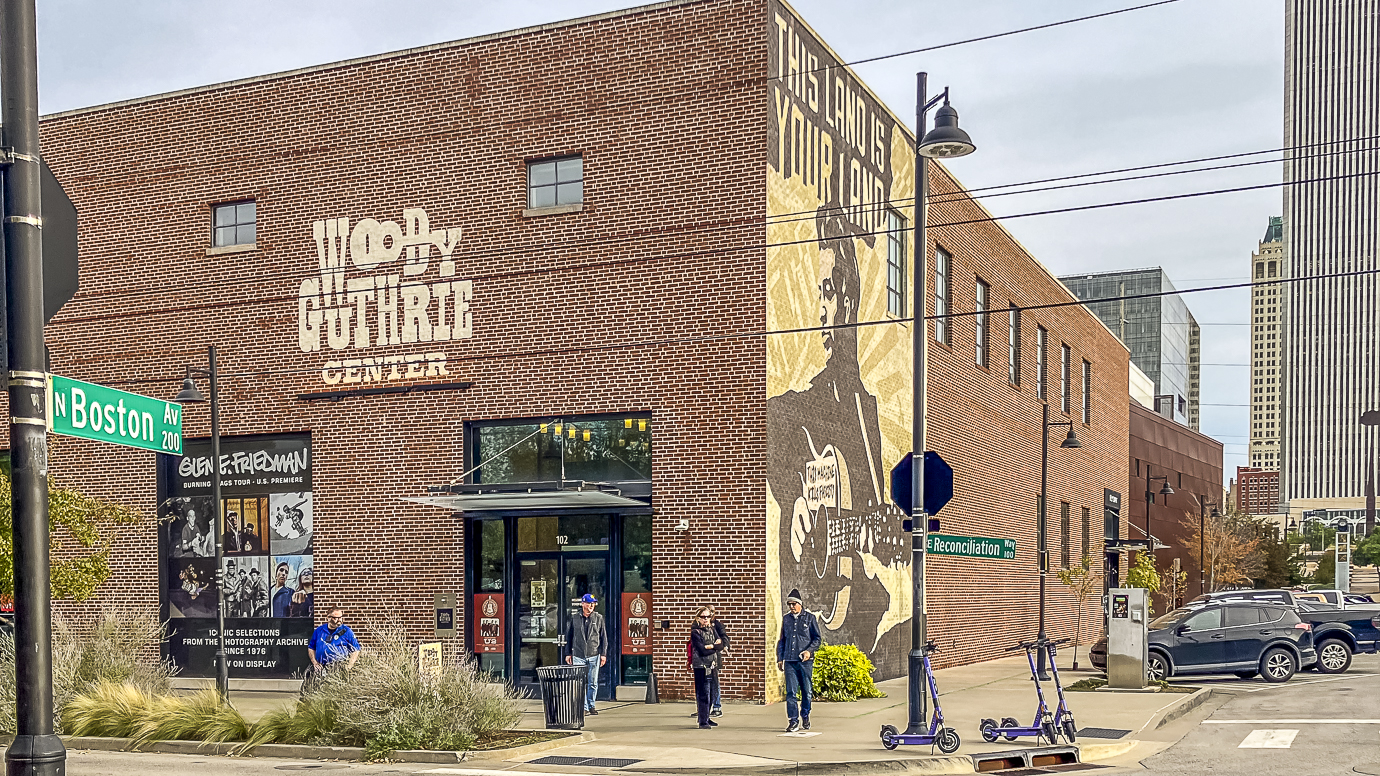 The 3 are waiting for me while I took the picture[/caption]
[caption id="attachment_9961" align="alignnone" width="600"]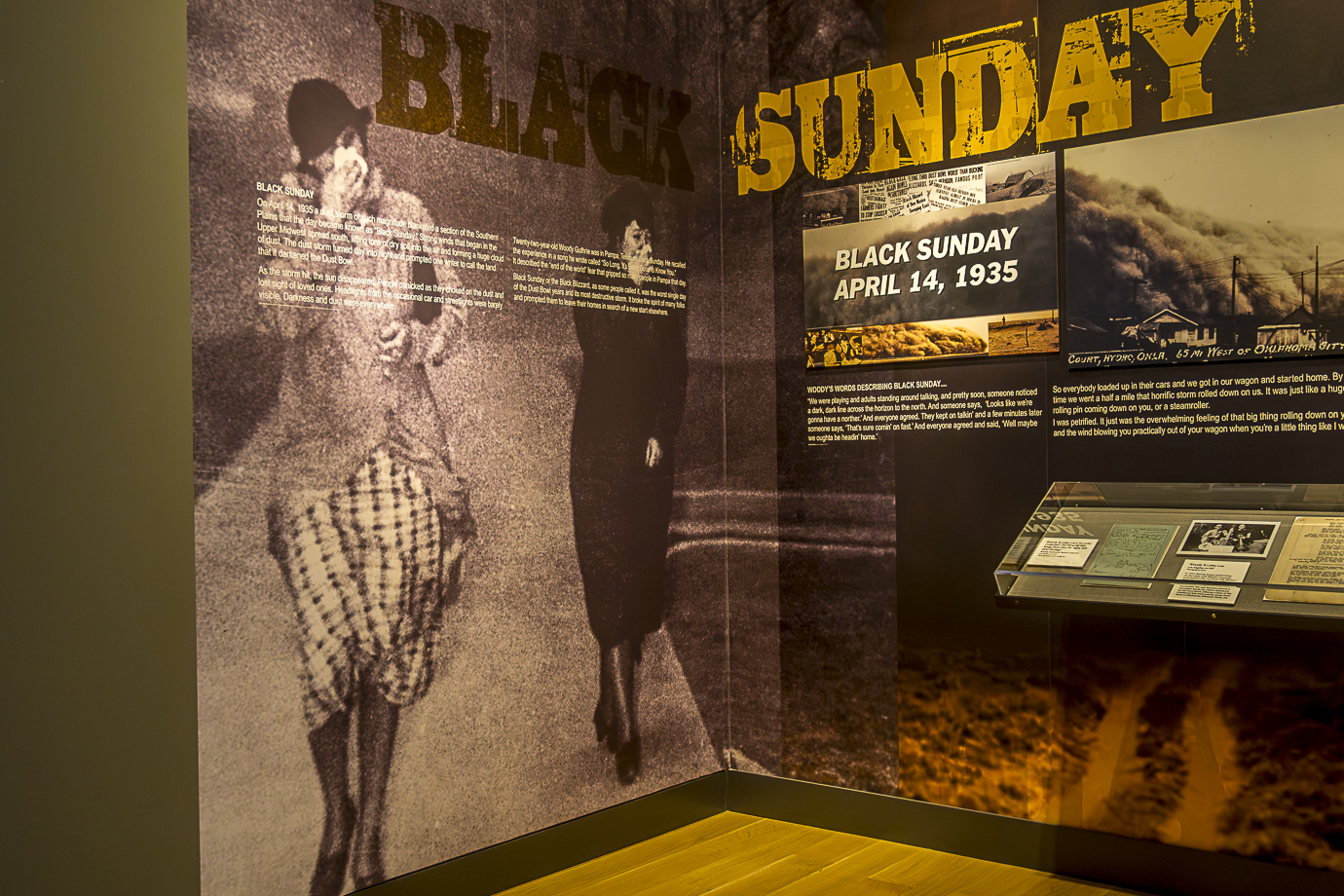 Dust Bowl[/caption]
[caption id="attachment_9962" align="alignnone" width="600"]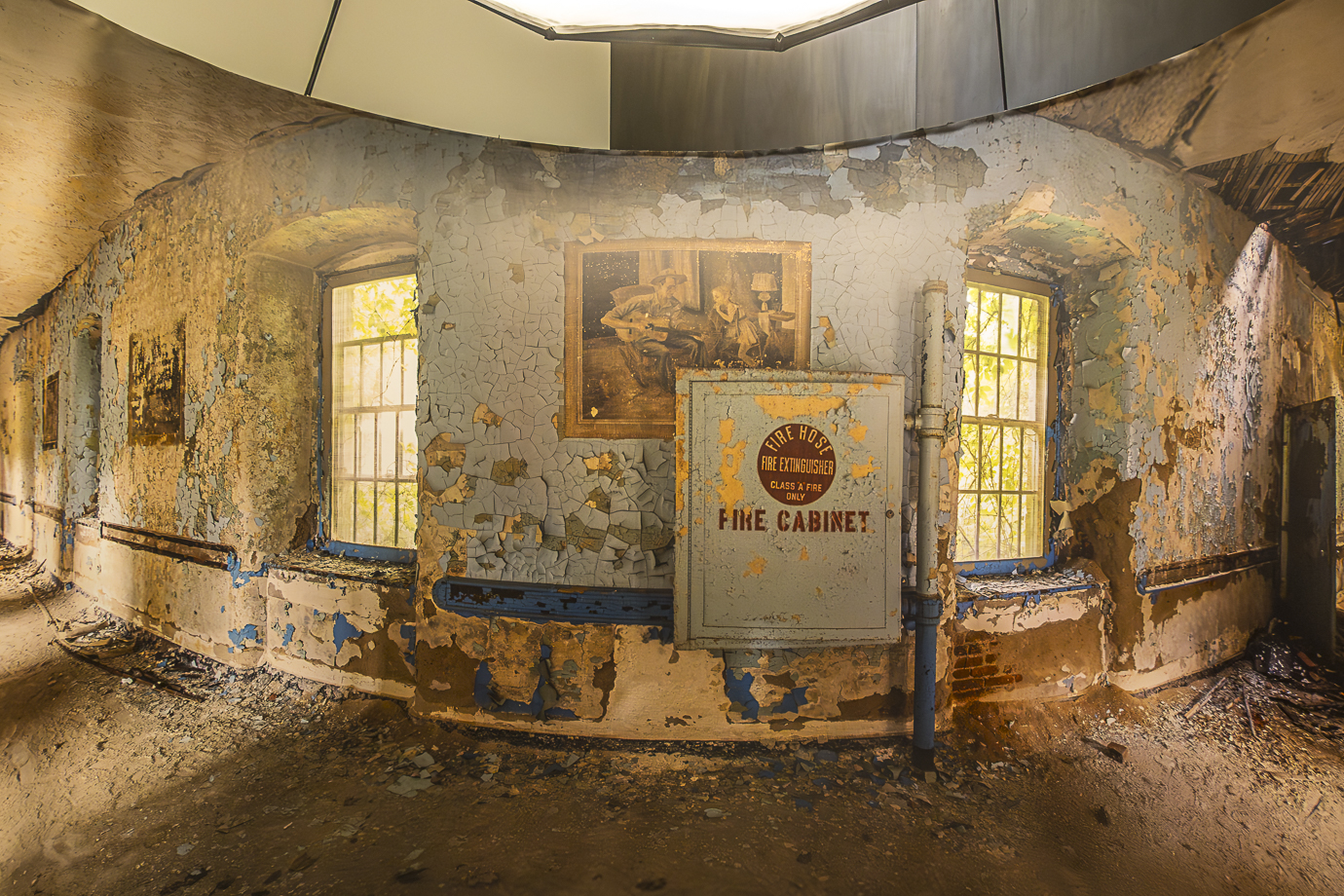 Sadly Woody Guthrie suffered from Huntington’s disease and spent years at this location in NJ (it didn’t look that way at the time)[/caption]
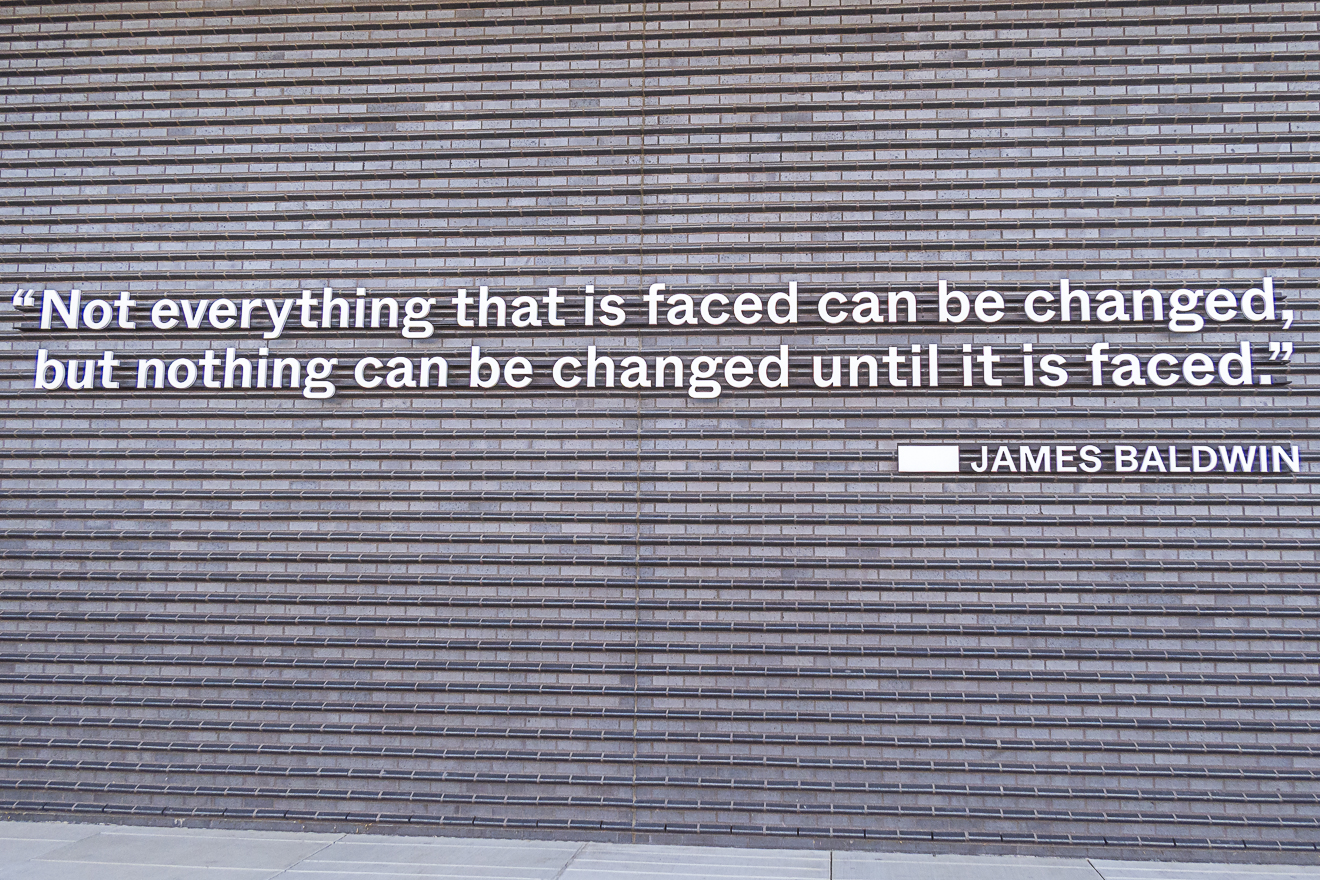
[caption id="attachment_9964" align="alignnone" width="600"]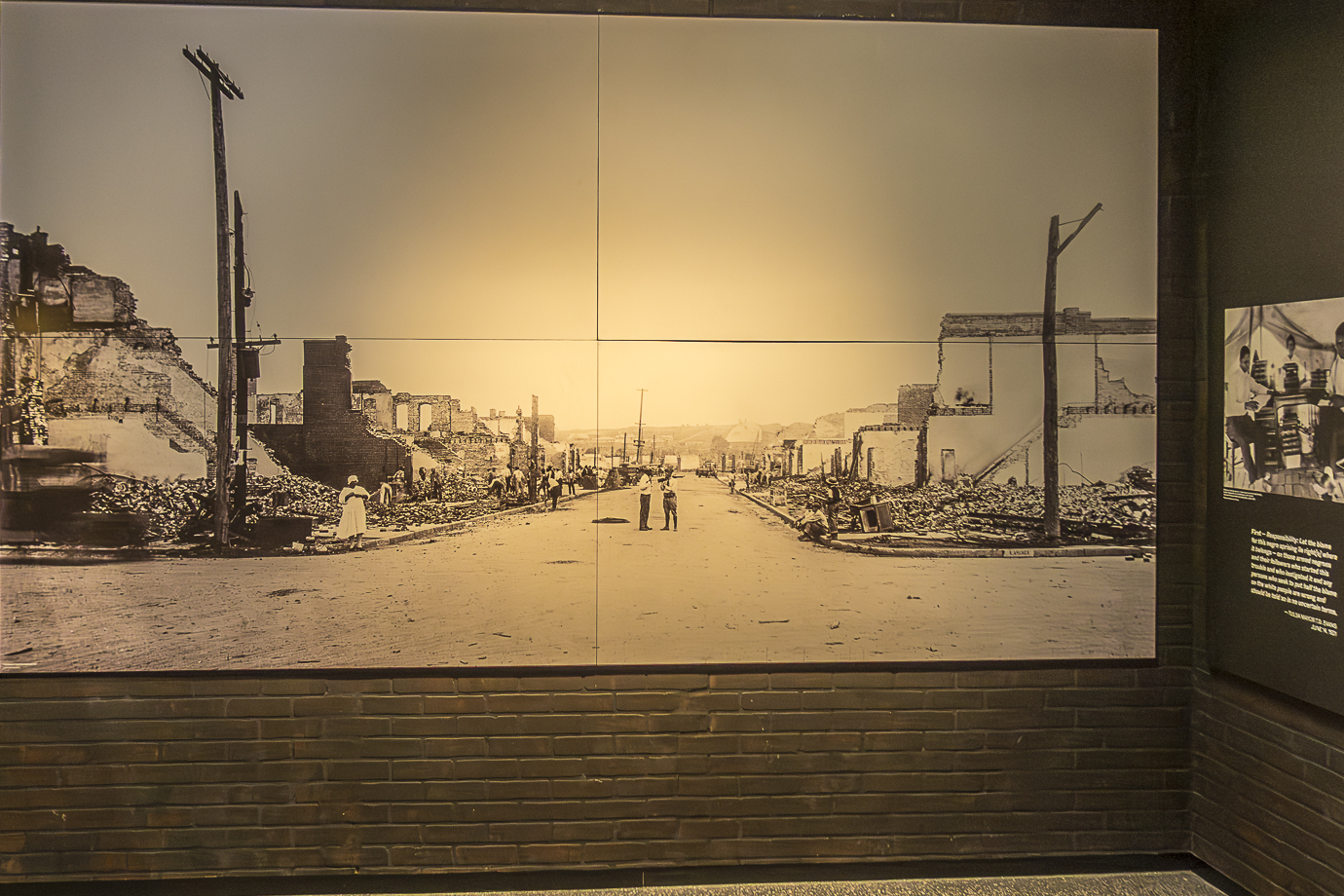 … a picture says more than 100 words …[/caption]
[caption id="attachment_9910" align="alignnone" width="600"]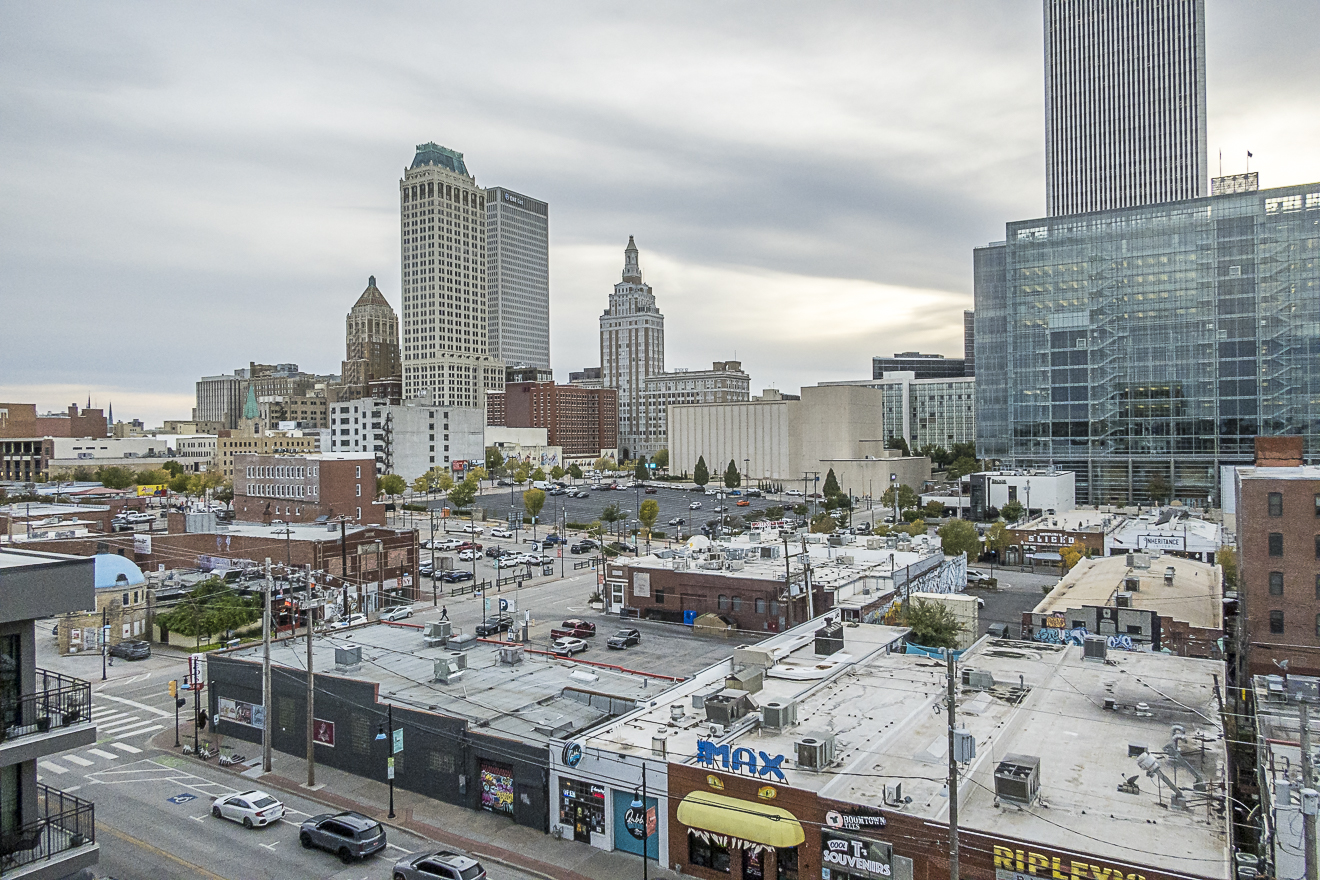 Tulsa early morning from my hotel room[/caption]
[caption id="attachment_9934" align="alignnone" width="600"]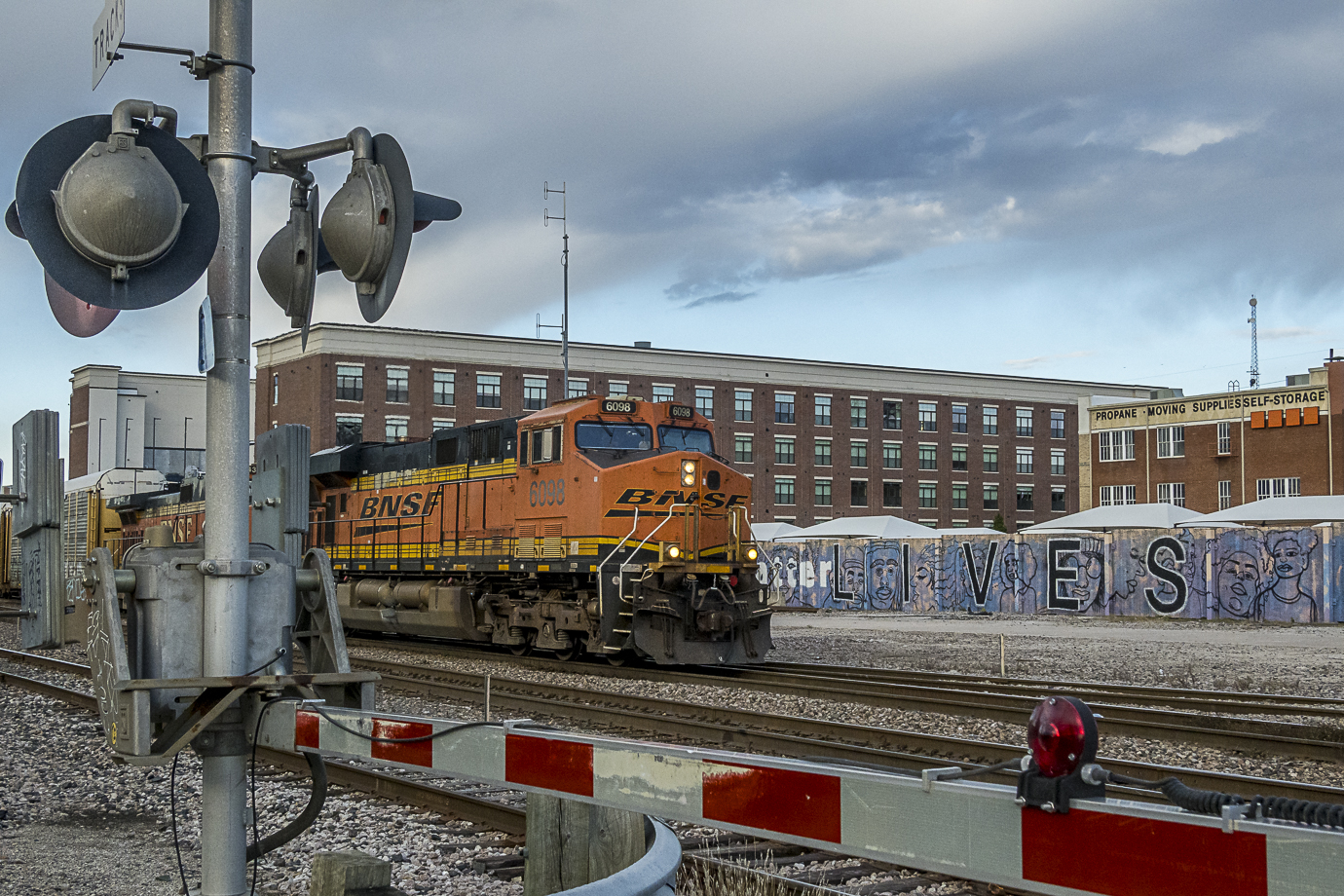 Those mile long freight trains. You wait for minutes until they pass … enjoyable minutes for me[/caption]
[caption id="attachment_9950" align="alignnone" width="600"]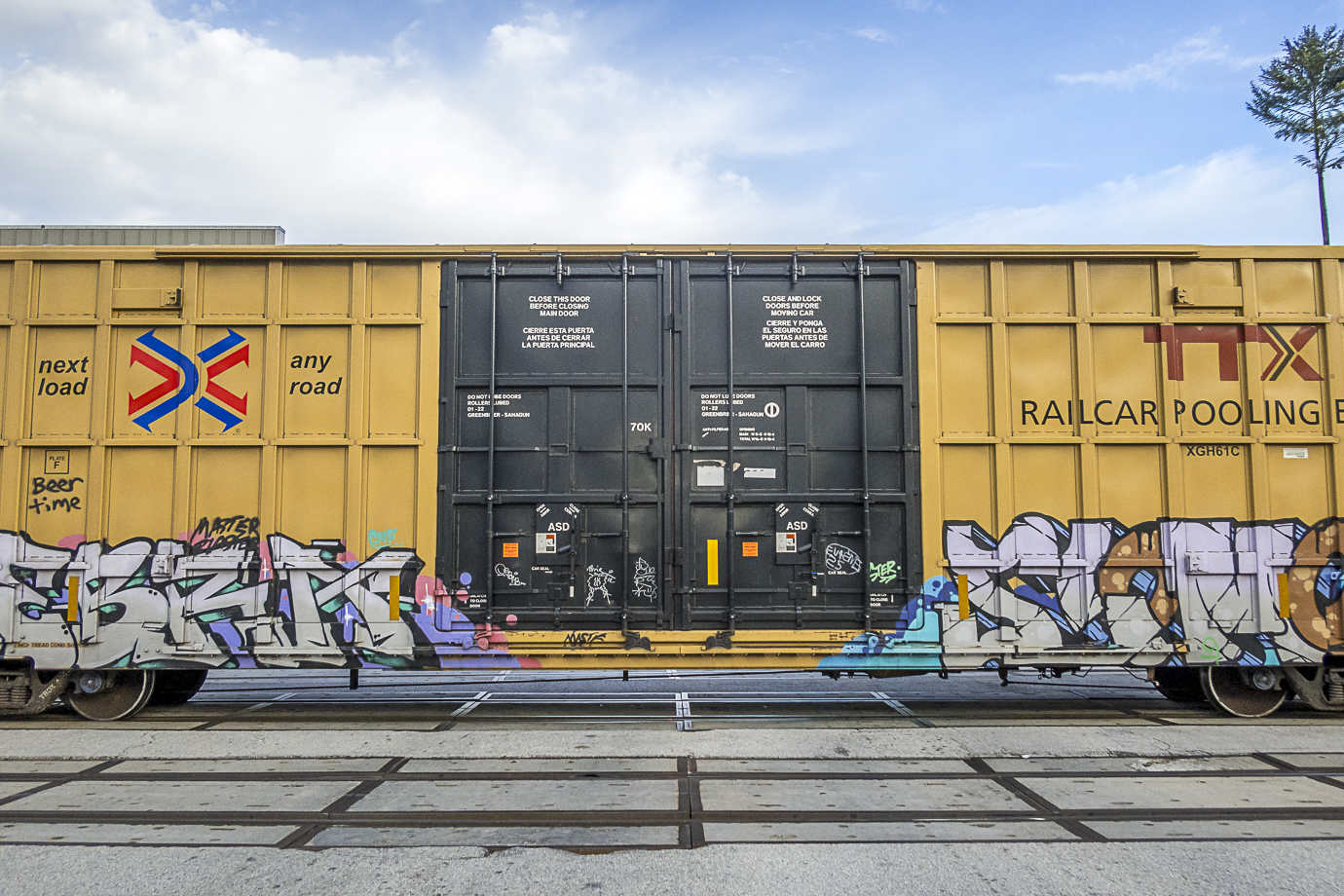 “perspective and lines”[/caption]
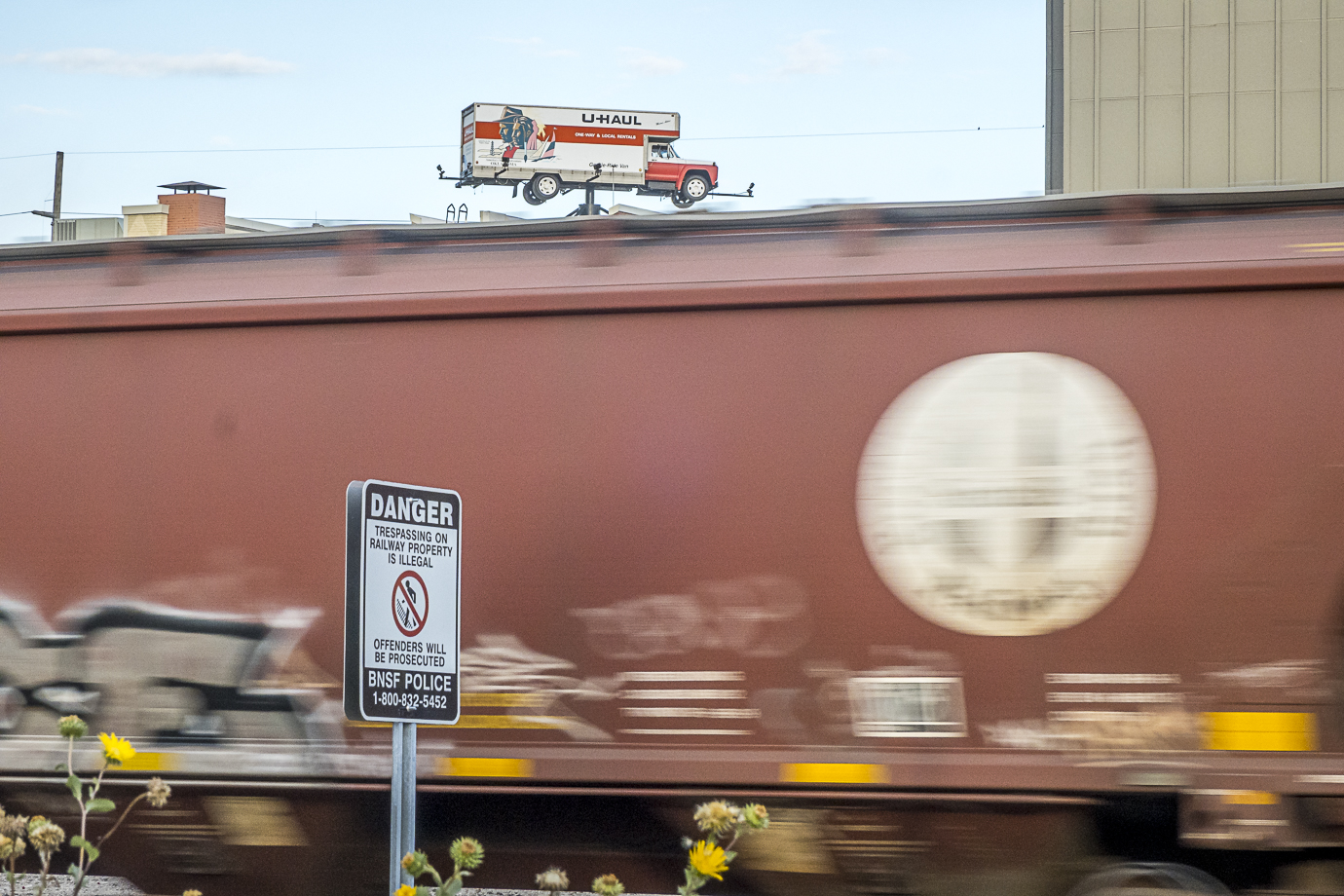
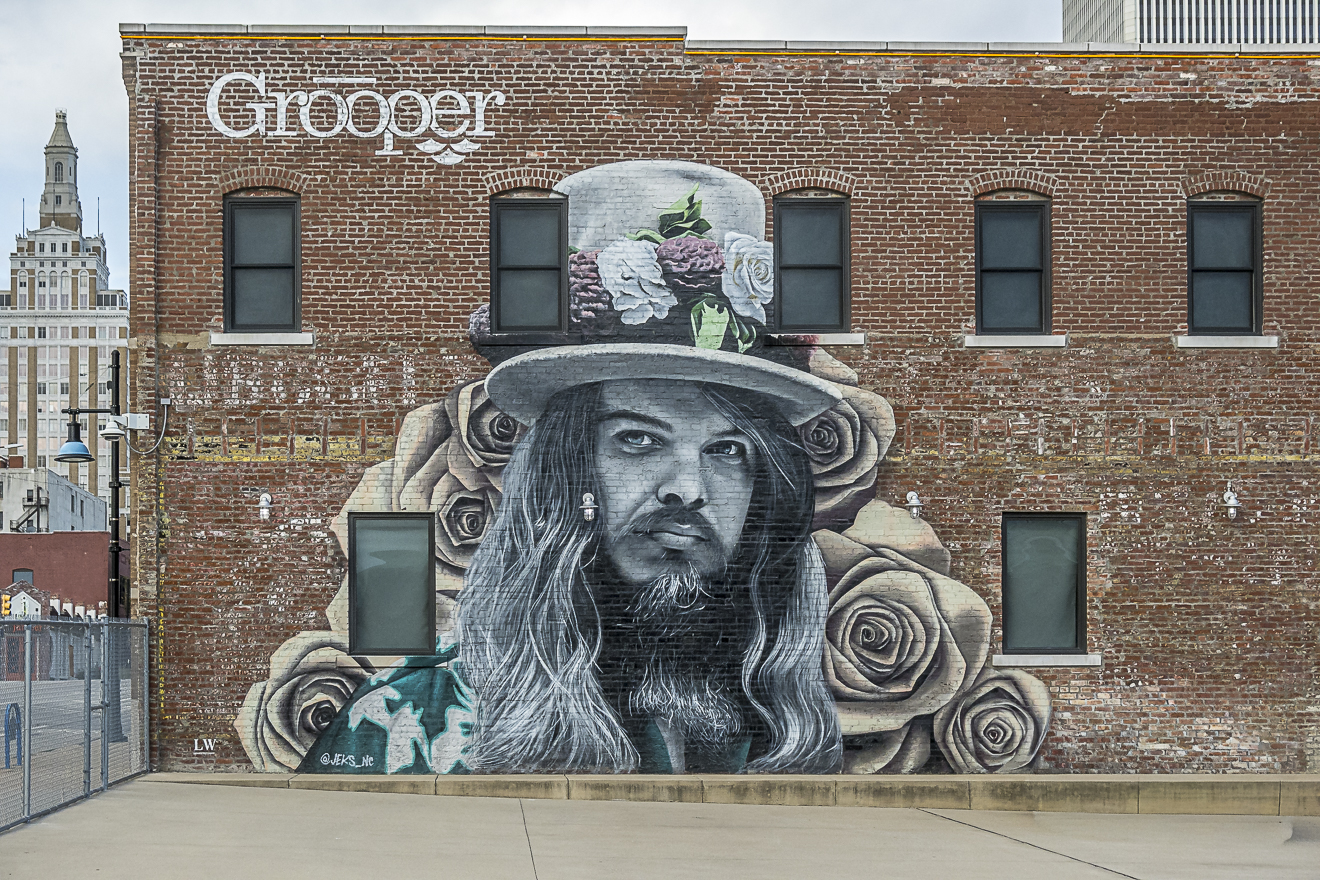
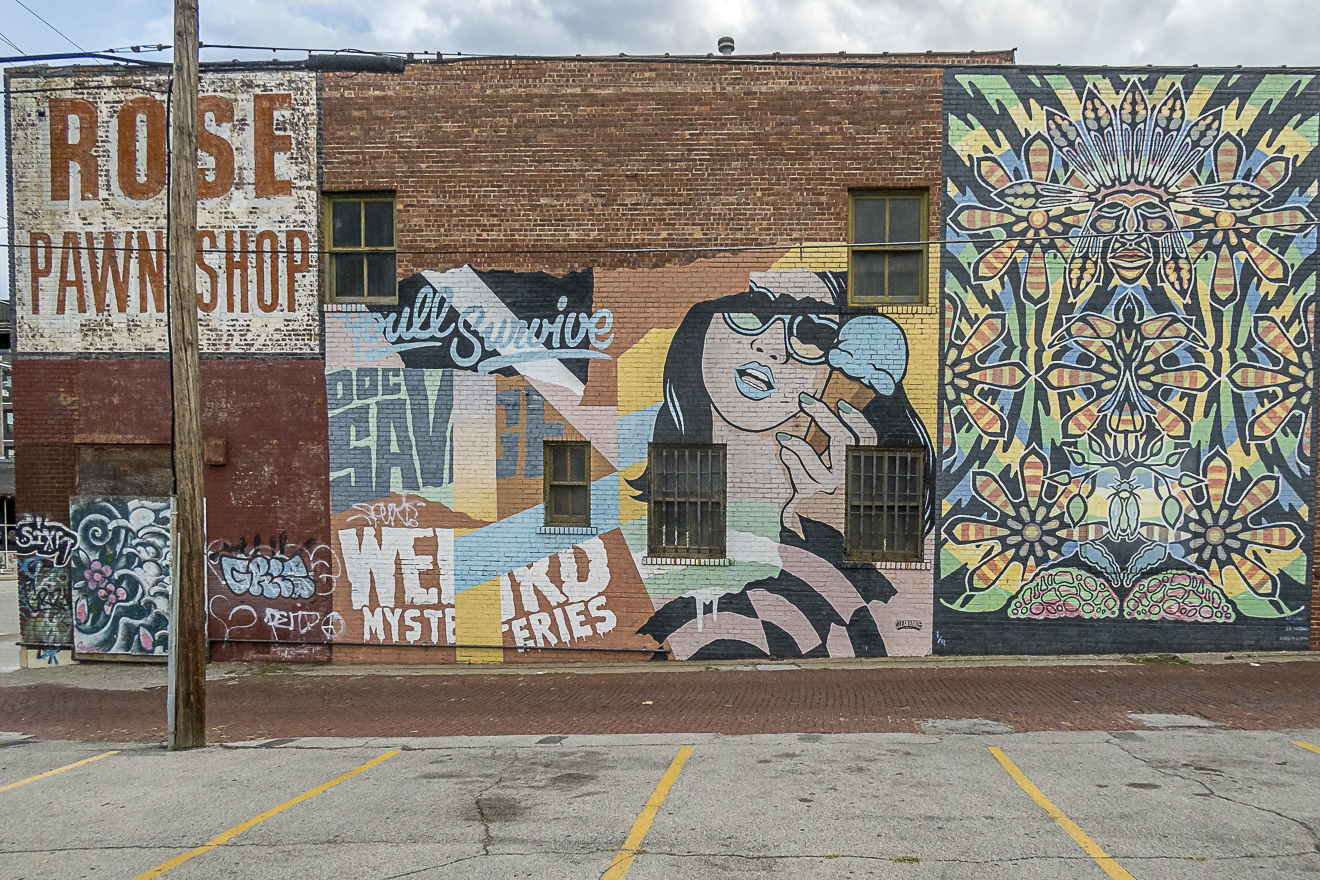
[caption id="attachment_9905" align="alignnone" width="600"]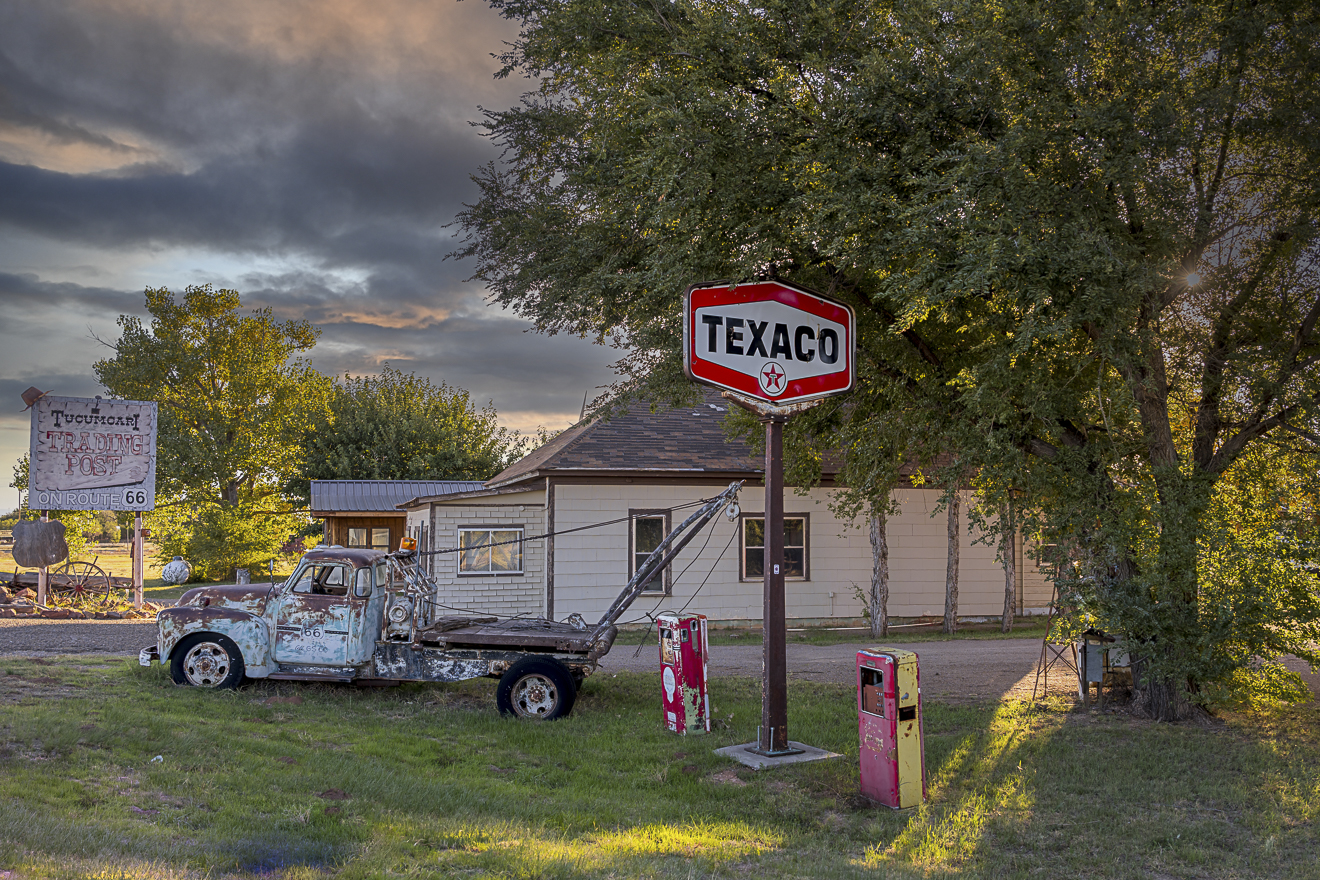 Nostalgic Route 66 Trading Post and gas Station[/caption]
[caption id="attachment_9906" align="alignnone" width="600"] Next time I will stay at this Motel in Tucumcari, NM[/caption]
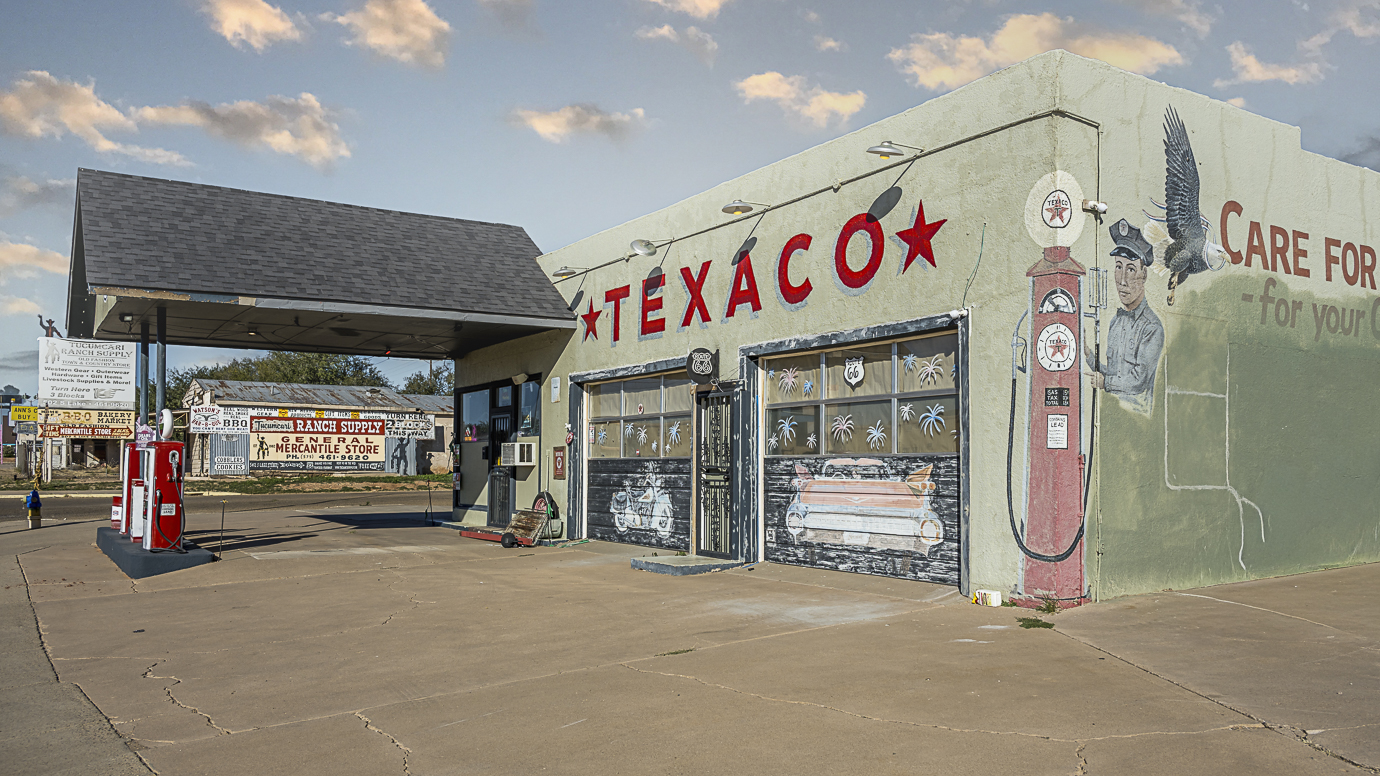
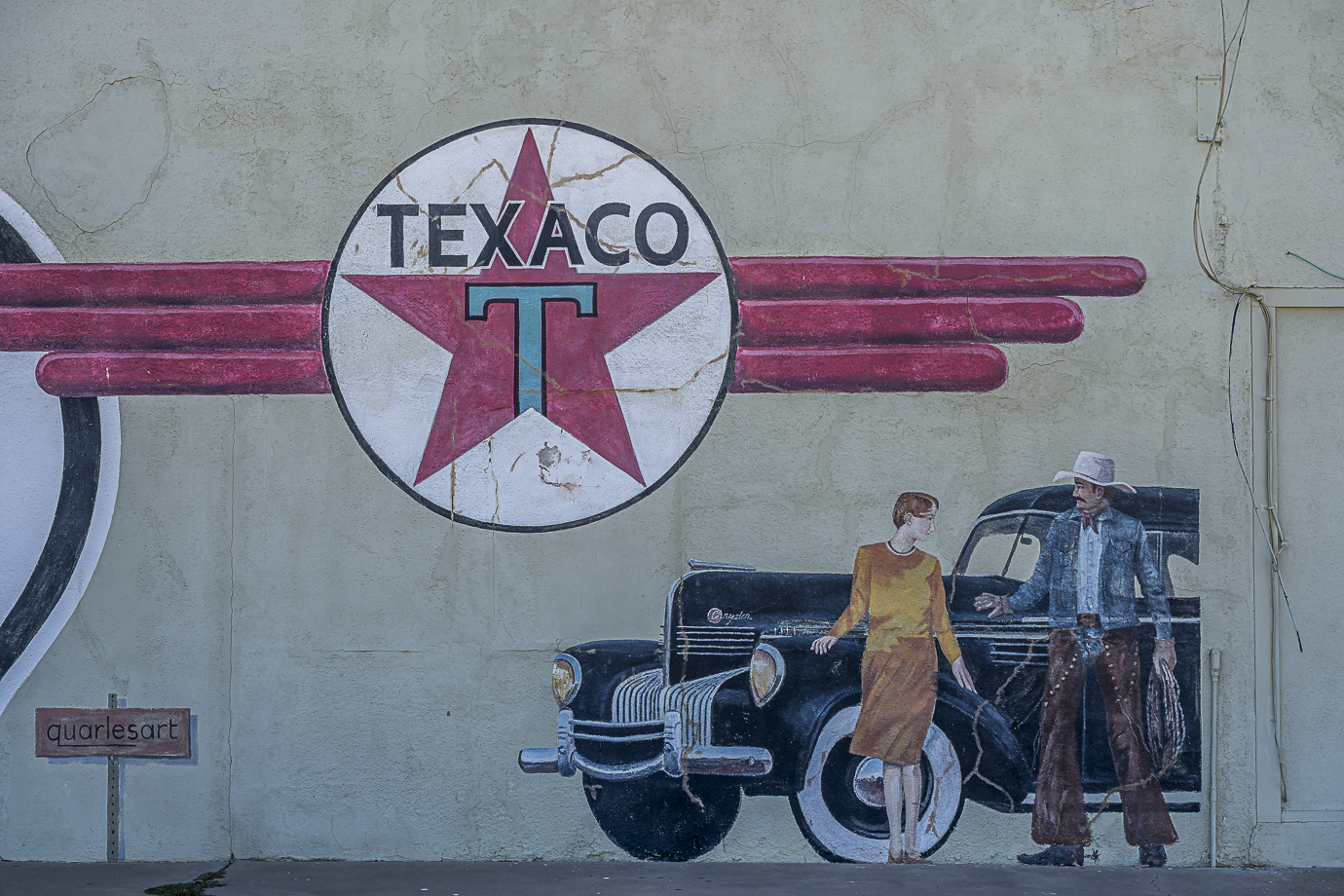
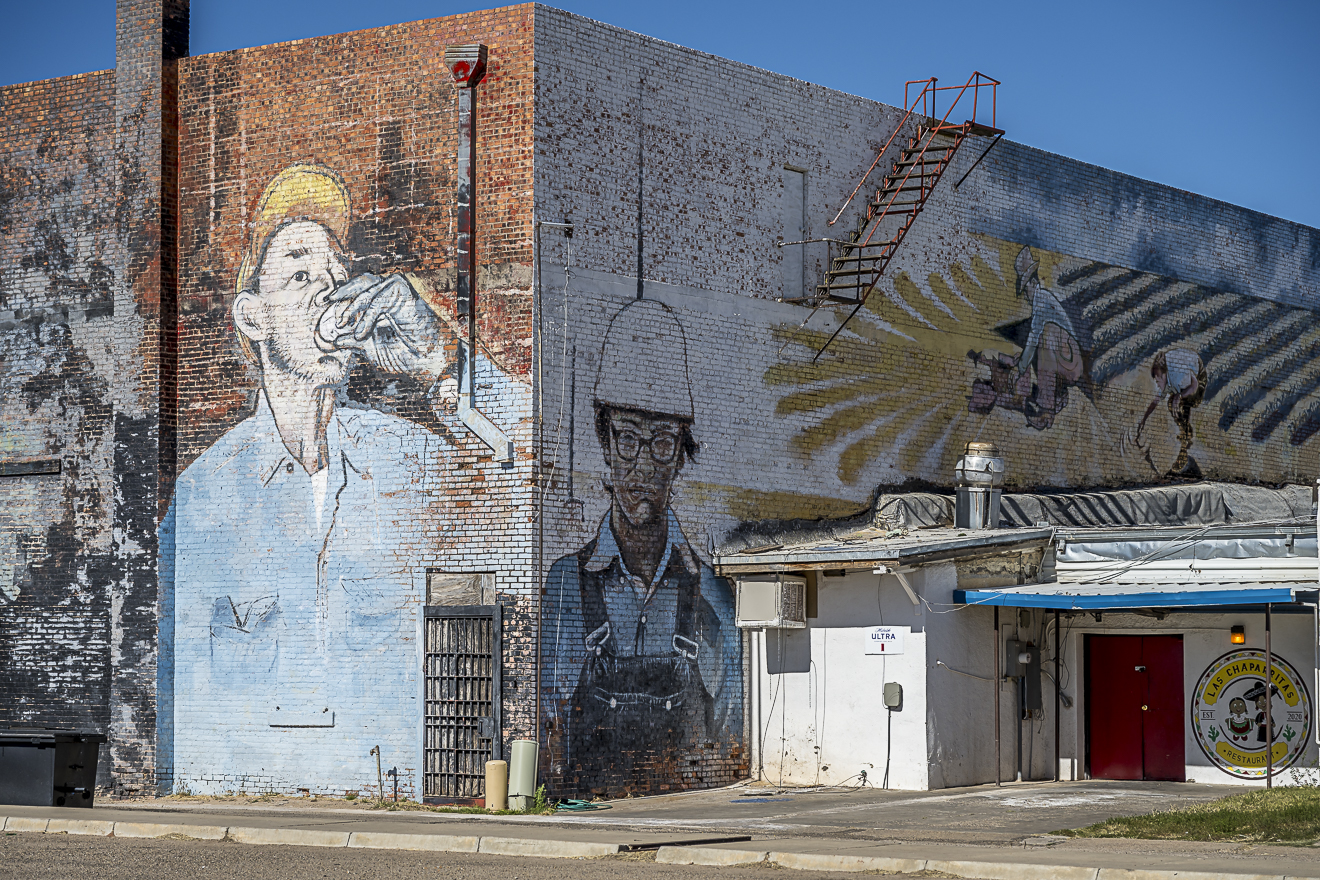
[caption id="attachment_9928" align="alignnone" width="600"]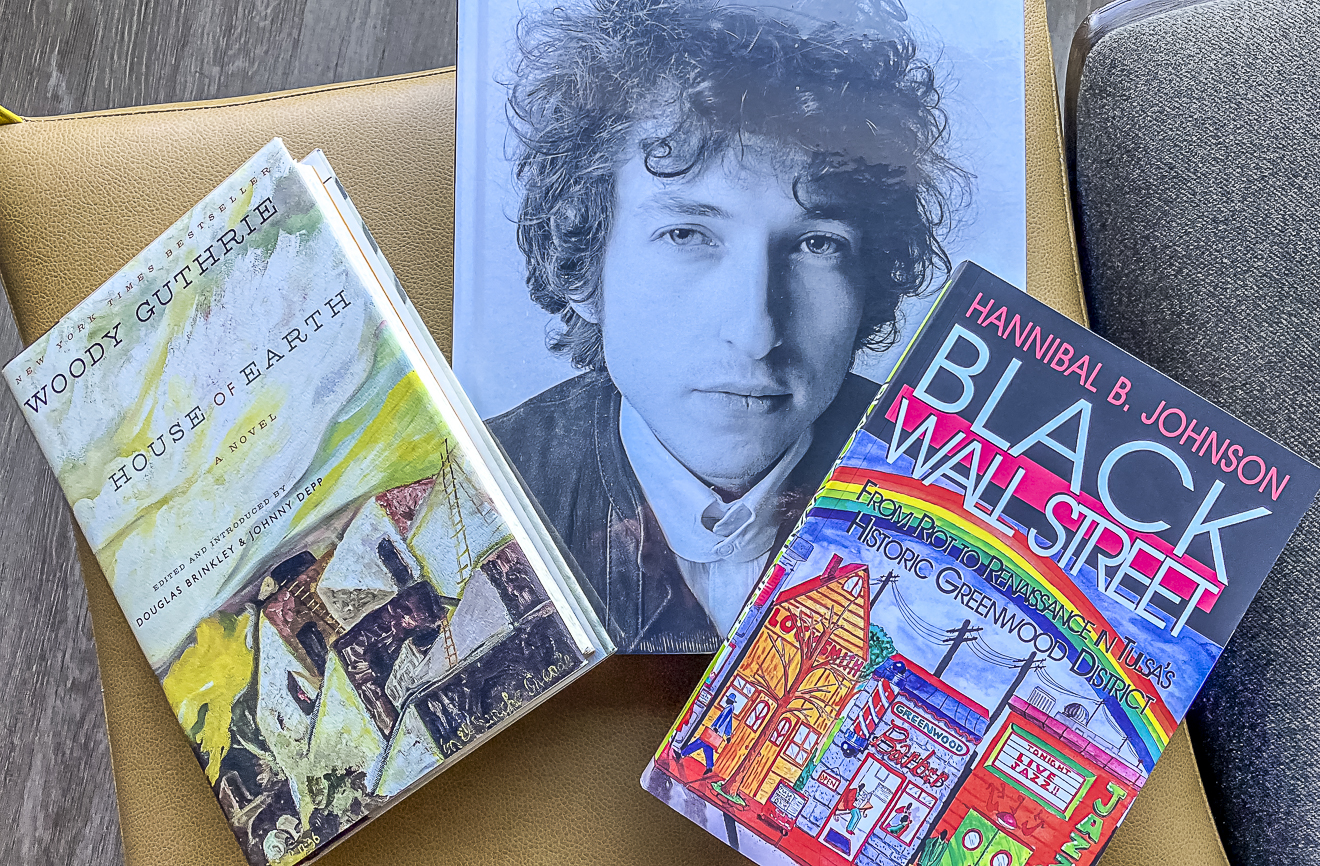 Driving home with 3 Books. The Dylan book was written at the Center and has 670 pages[/caption]
6 Comments